Filters
Sort Featured
-
LED Stair Lighting Trevo Smart | 3W RGBW | Base Unit -
LED Stair Lighting Trevo | 1.5W CCT | IP20 | Ø46.5 mm -
LED Steplight Steno White | 1.5W CCT | IP20 | Motion Sensor 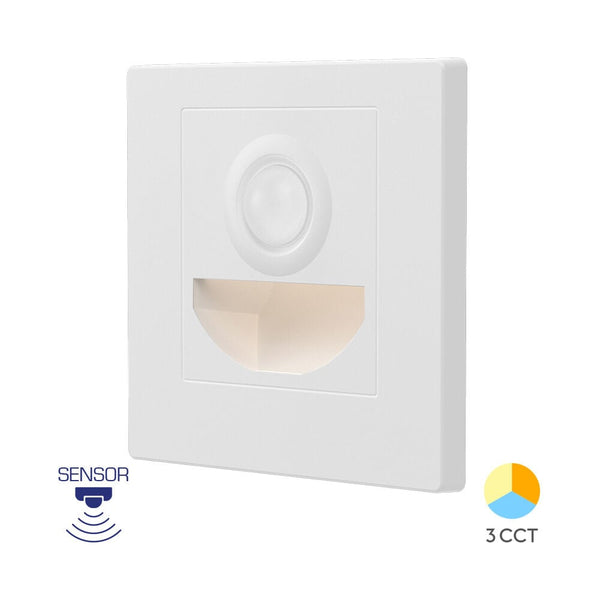 CCT-switchIn stock
LED Steplight Steno White | 1.5W CCT | IP20 | Motion Sensor
€17,95
-
LED Steplight Steno Black | 1.5W CCT | IP20 | Motion Sensor 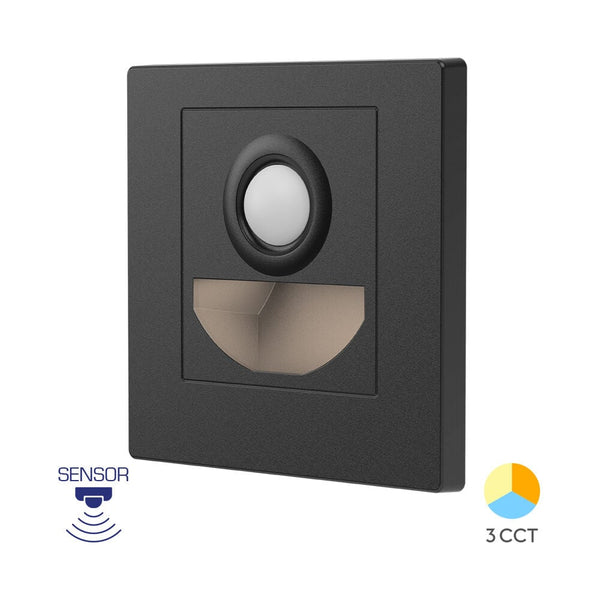 CCT-switchIn stock
LED Steplight Steno Black | 1.5W CCT | IP20 | Motion Sensor
€17,95
-
Trevo Stair Light Fixture Black | Round, light downwards | Ø98 × 10 mm In stock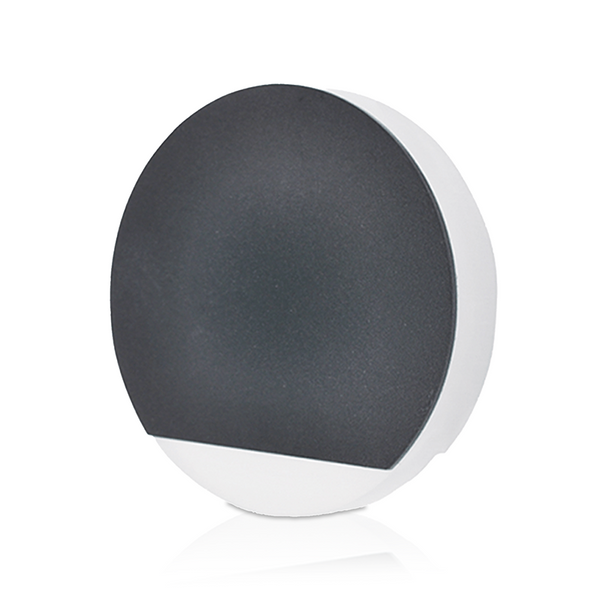
Trevo Stair Light Fixture Black | Round, light downwards | Ø98 × 10 mm
€13,95
-
Trevo Stair Light Fixture White | Round, light downwards | Ø98 × 10 mm In stock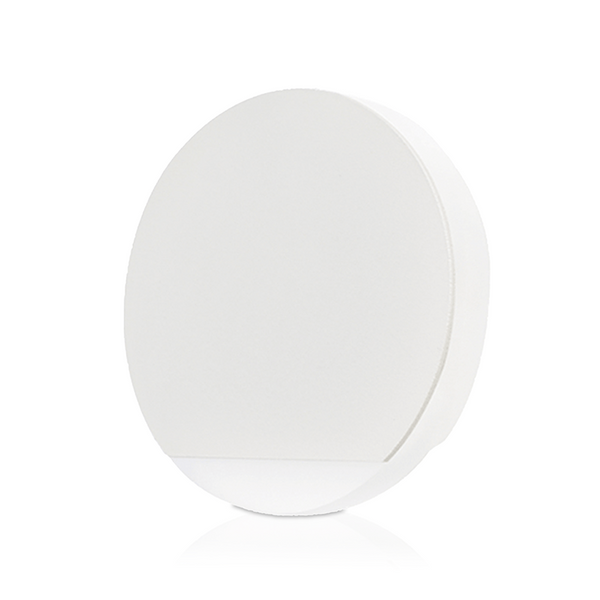
Trevo Stair Light Fixture White | Round, light downwards | Ø98 × 10 mm
€13,95
-
Trevo Stair Light Fixture Aluminium | Round, light downwards | Ø98 × 10 mm In stock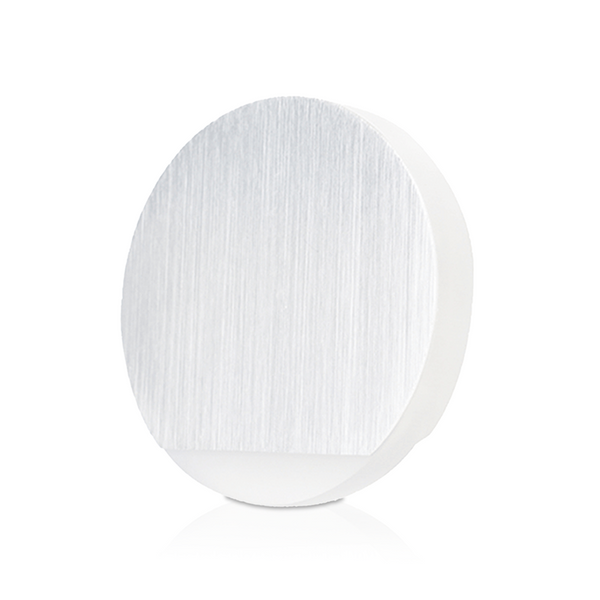
Trevo Stair Light Fixture Aluminium | Round, light downwards | Ø98 × 10 mm
€13,95
-
Trevo Stair Lighting Recess Black | Round, recessed light | Ø98 × 9 mm In stock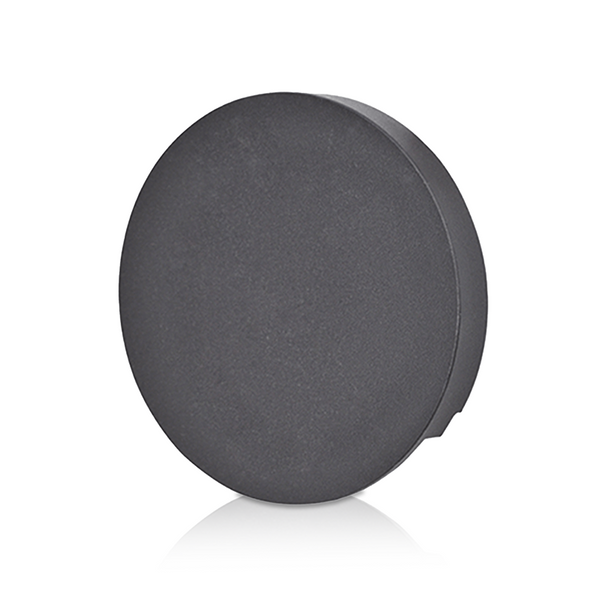
Trevo Stair Lighting Recess Black | Round, recessed light | Ø98 × 9 mm
€13,95
-
Trevo Stair Lighting Recess White | Round, recessed light | Ø98 × 9 mm In stock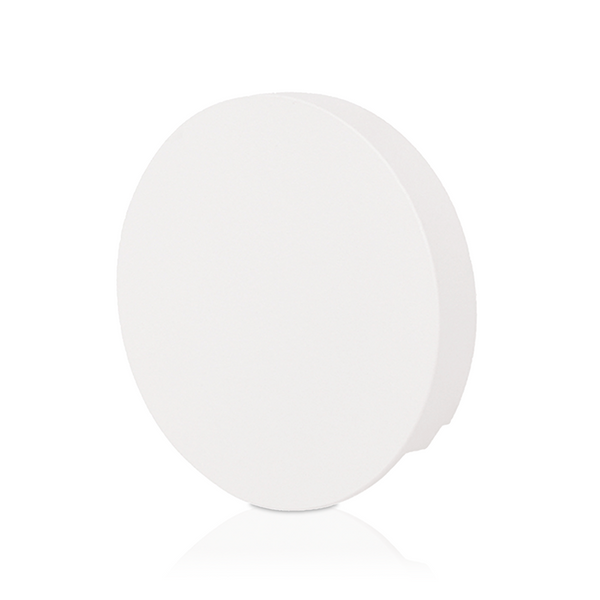
Trevo Stair Lighting Recess White | Round, recessed light | Ø98 × 9 mm
€13,95
-
Trevo Stair Lighting Recess Aluminium | Round, recessed light | Ø98 × 9 mm In stock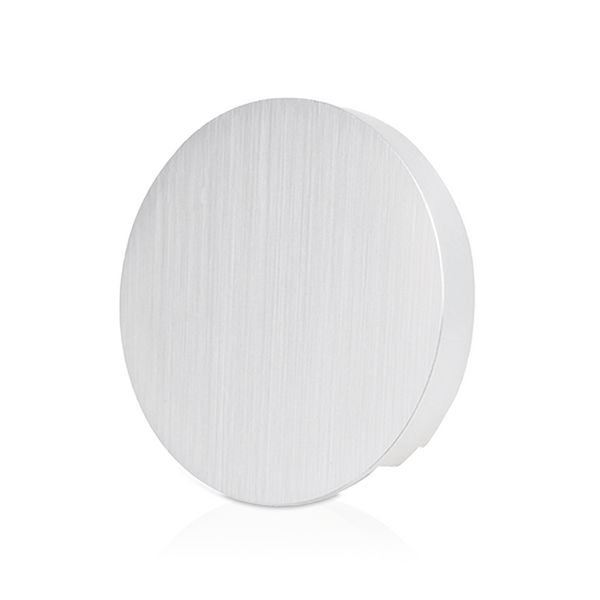
Trevo Stair Lighting Recess Aluminium | Round, recessed light | Ø98 × 9 mm
€13,95
-
Trevo Stair Lighting Attachment Black | Square 360° | 80 × 80 × 8 mm In stock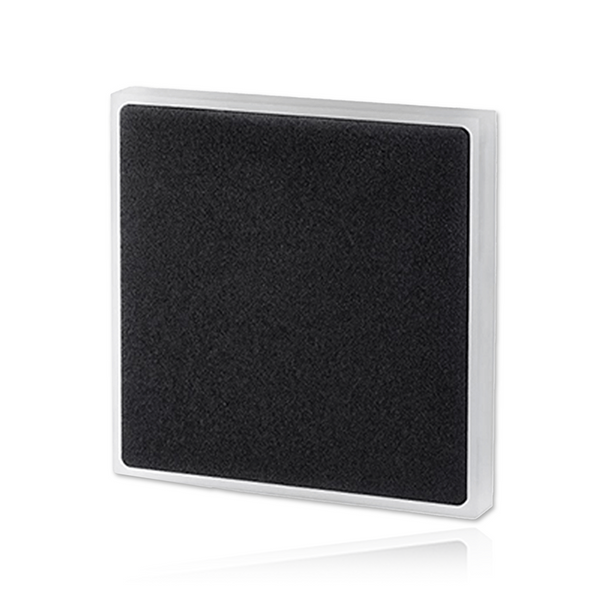
Trevo Stair Lighting Attachment Black | Square 360° | 80 × 80 × 8 mm
€13,95
-
Trevo Stair Lighting Attachment White | Square 360° | 80 × 80 × 8 mm In stock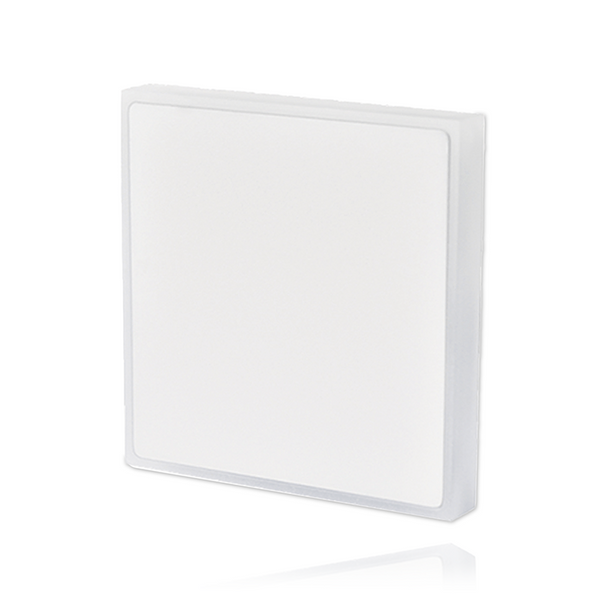
Trevo Stair Lighting Attachment White | Square 360° | 80 × 80 × 8 mm
€13,95
-
Trevo Stair Lighting Attachment Aluminium | Square 360° | 80 × 80 × 8 mm In stock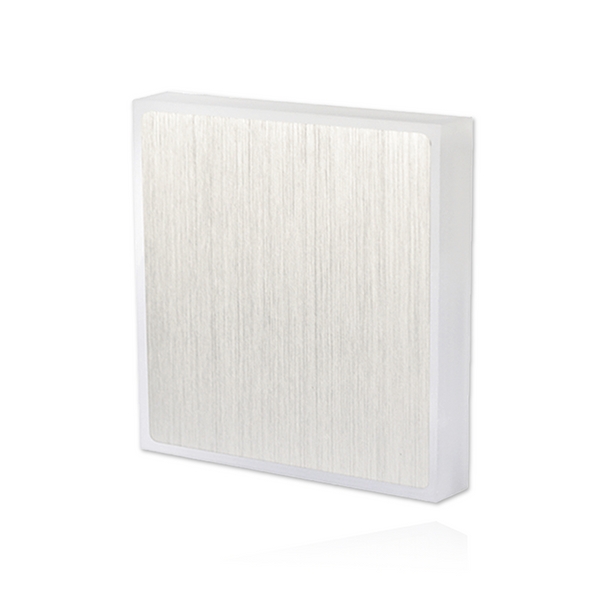
Trevo Stair Lighting Attachment Aluminium | Square 360° | 80 × 80 × 8 mm
€13,95
-
Trevo Stair Lighting Attachment Black | Square, light downwards | 80 × 80 × 10 mm In stock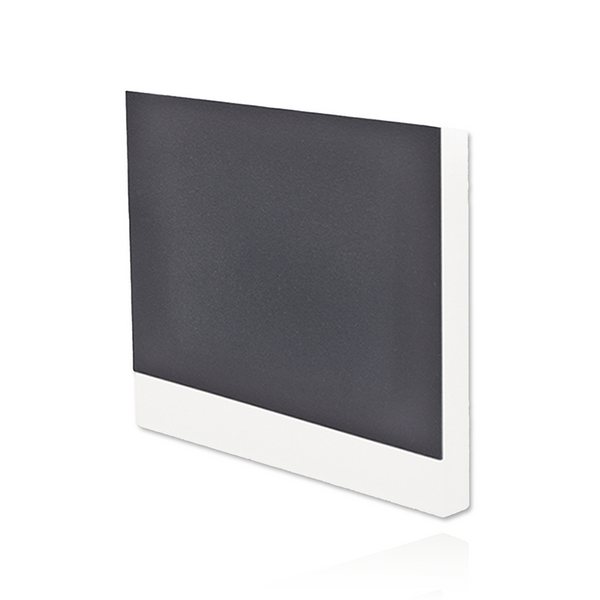
Trevo Stair Lighting Attachment Black | Square, light downwards | 80 × 80 × 10 mm
€13,95
-
Trevo Stair Lighting Attachment White | Square, light downwards | 80 × 80 × 10 mm In stock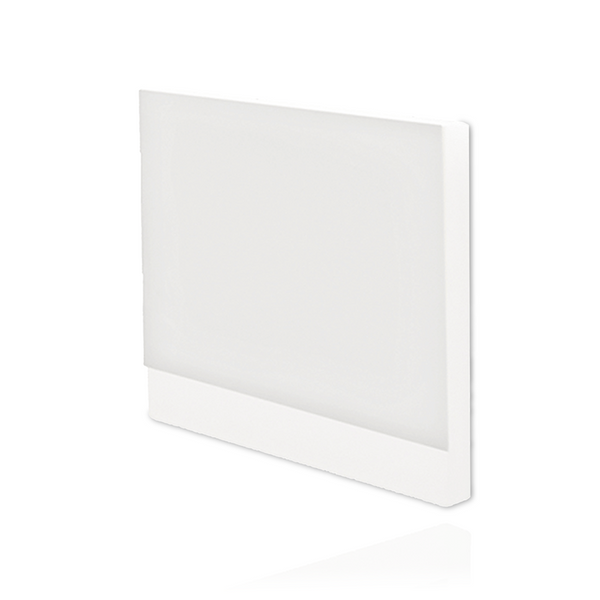
Trevo Stair Lighting Attachment White | Square, light downwards | 80 × 80 × 10 mm
€13,95
-
Trevo Stair Lighting Attachment Aluminium | Square, light downwards | 80 × 80 × 10 mm In stock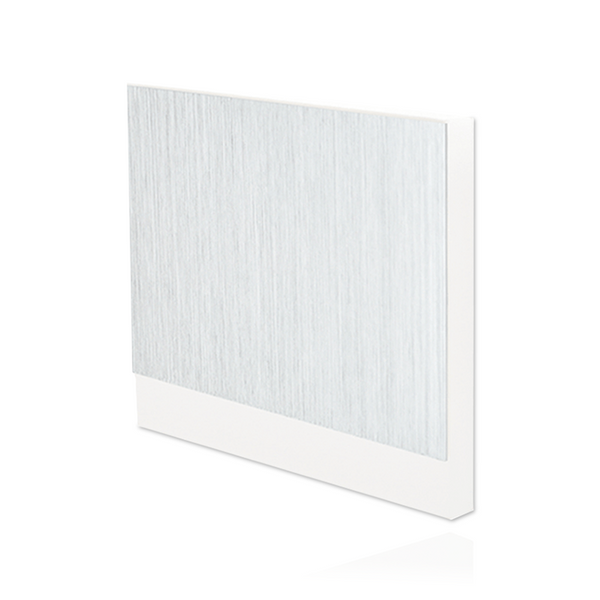
Trevo Stair Lighting Attachment Aluminium | Square, light downwards | 80 × 80 × 10 mm
€13,95
-
Attachment Trevo Stair Lighting Black | Square, light center | 80 × 80 × 10 mm In stock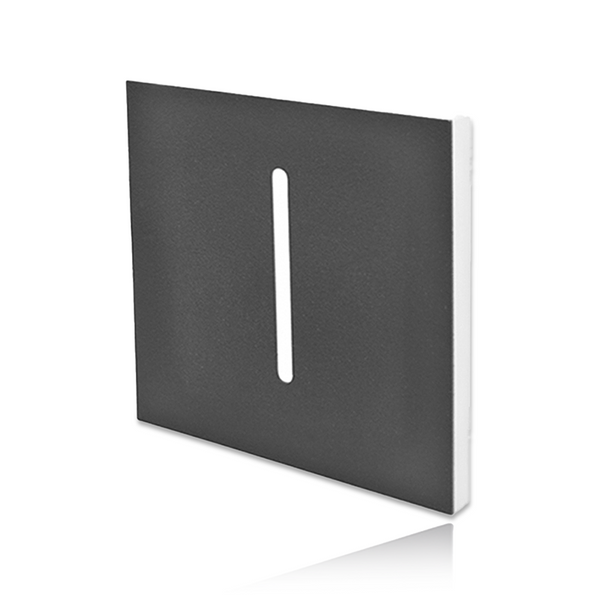
Attachment Trevo Stair Lighting Black | Square, light center | 80 × 80 × 10 mm
€13,95
-
Attachment Trevo Stair Lighting White | Square, light center | 80 × 80 × 10 mm In stock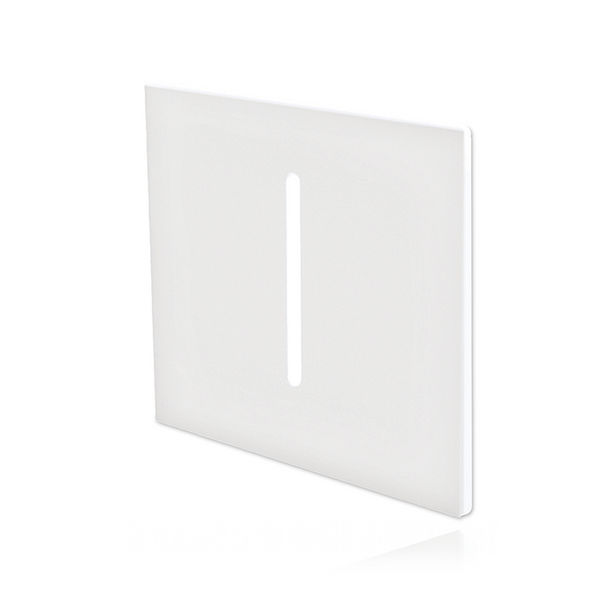
Attachment Trevo Stair Lighting White | Square, light center | 80 × 80 × 10 mm
€13,95
-
Attachment Trevo Stair Lighting Aluminium | Square, light center | 80 × 80 × 10 mm In stock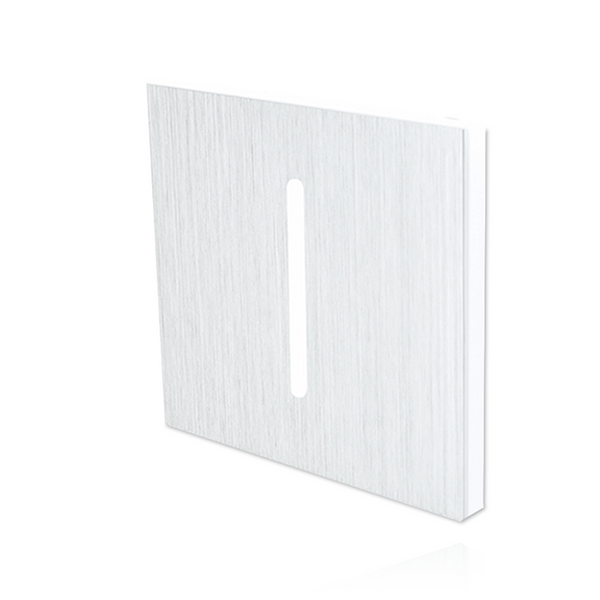
Attachment Trevo Stair Lighting Aluminium | Square, light center | 80 × 80 × 10 mm
€13,95
-
Attachment for Trevo Stair Lighting Black | Square open | 80 × 80 × 12 mm In stock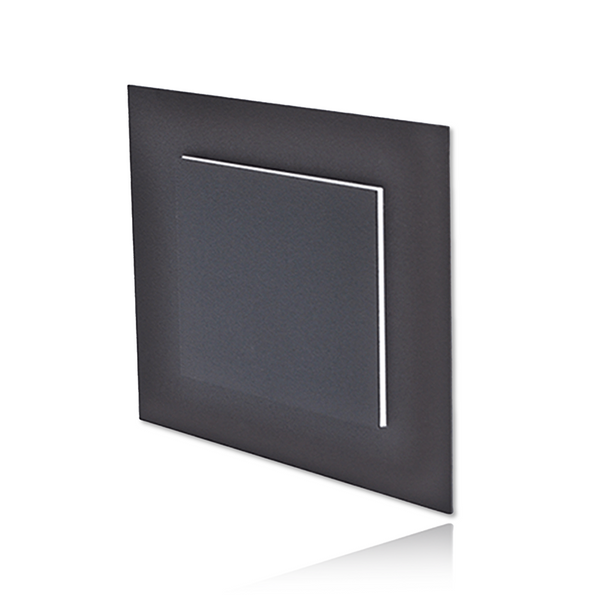
Attachment for Trevo Stair Lighting Black | Square open | 80 × 80 × 12 mm
€13,95
-
Attachment for Trevo Stair Lighting White | Square open | 80 × 80 × 12 mm In stock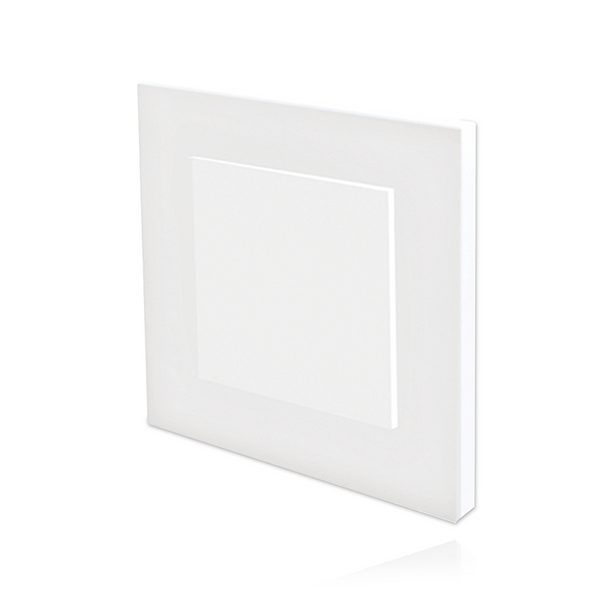
Attachment for Trevo Stair Lighting White | Square open | 80 × 80 × 12 mm
€13,95
-
Attachment for Trevo Stair Lighting Aluminium | Square open | 80 × 80 × 12 mm In stock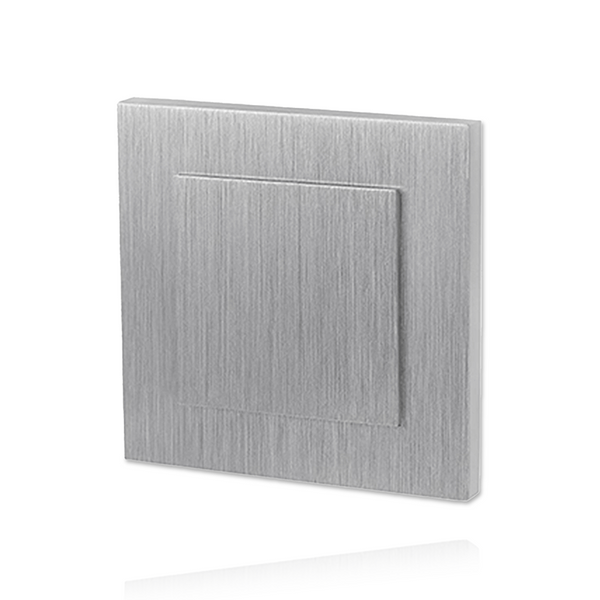
Attachment for Trevo Stair Lighting Aluminium | Square open | 80 × 80 × 12 mm
€13,95
-
Attachment Trevo Stair Lighting Black | Square closed | 80 × 80 × 10 mm In stock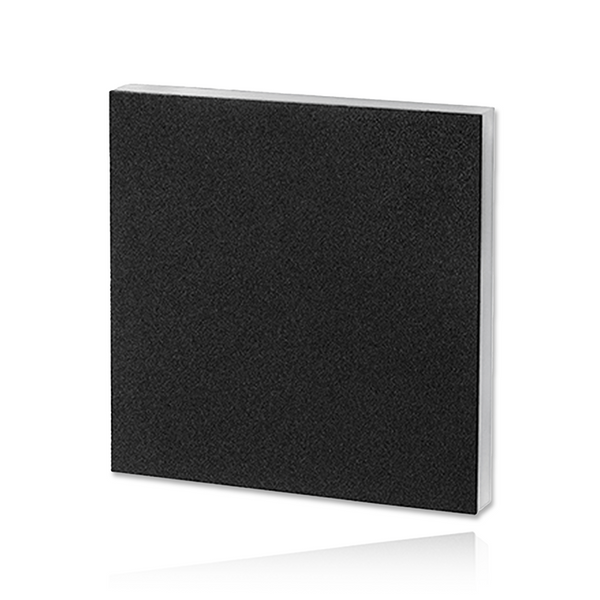
Attachment Trevo Stair Lighting Black | Square closed | 80 × 80 × 10 mm
€13,95
-
Attachment Trevo Stair Lighting White | Square closed | 80 × 80 × 10 mm In stock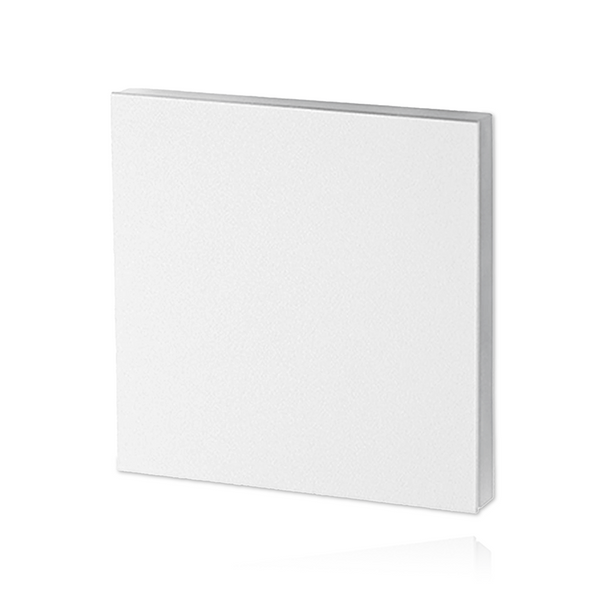
Attachment Trevo Stair Lighting White | Square closed | 80 × 80 × 10 mm
€13,95
-
Attachment Trevo Stair Lighting Aluminium | Square closed | 80 × 80 × 10 mm In stock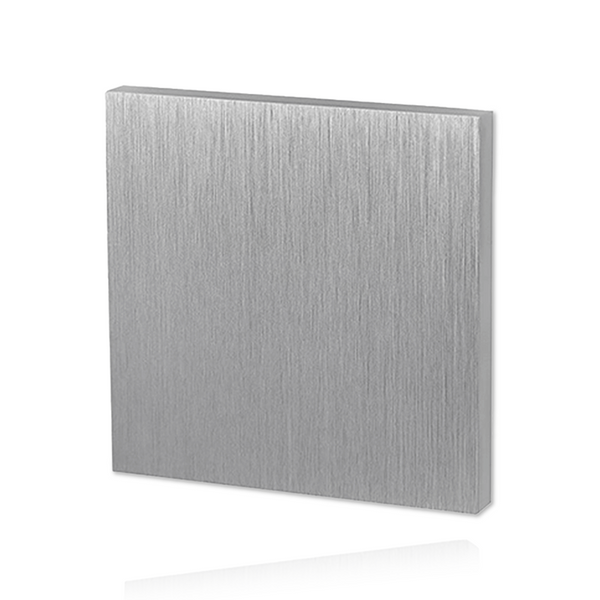
Attachment Trevo Stair Lighting Aluminium | Square closed | 80 × 80 × 10 mm
€13,95
-
Attachment Stair Lighting Trevo Black | Square 60° | 80 × 80 × 9 mm In stock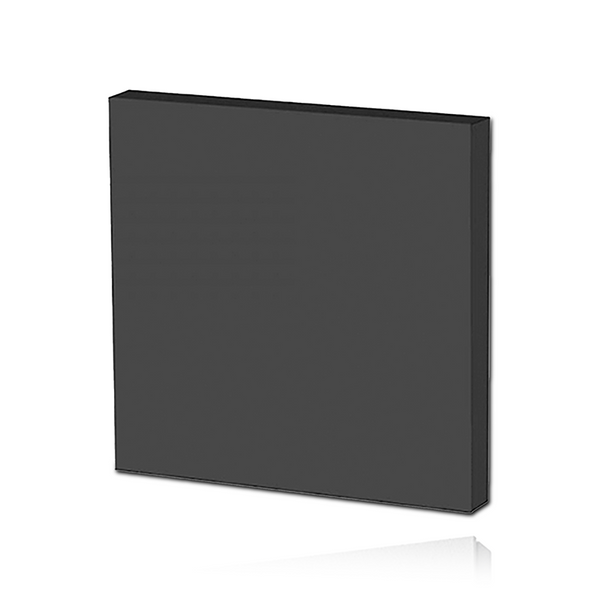
Attachment Stair Lighting Trevo Black | Square 60° | 80 × 80 × 9 mm
€13,95
-
Attachment Stair Lighting Trevo White | Square 60° | 80 × 80 × 9 mm In stock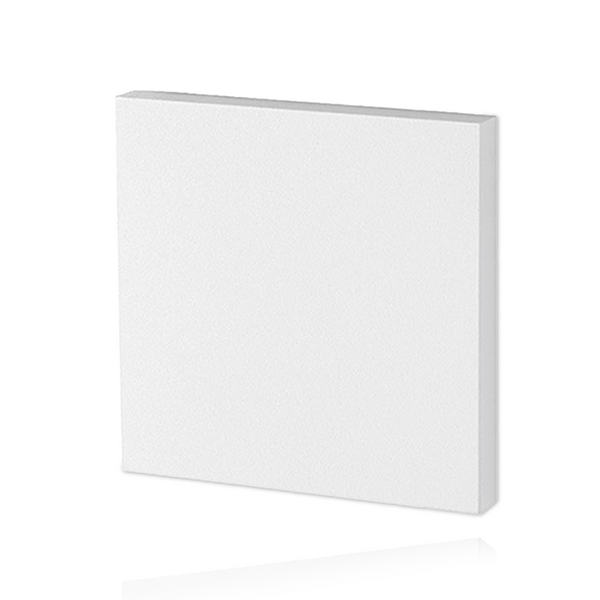
Attachment Stair Lighting Trevo White | Square 60° | 80 × 80 × 9 mm
€13,95
-
Attachment Stair Lighting Trevo Aluminium | Square 60° | 80 × 80 × 9 mm In stock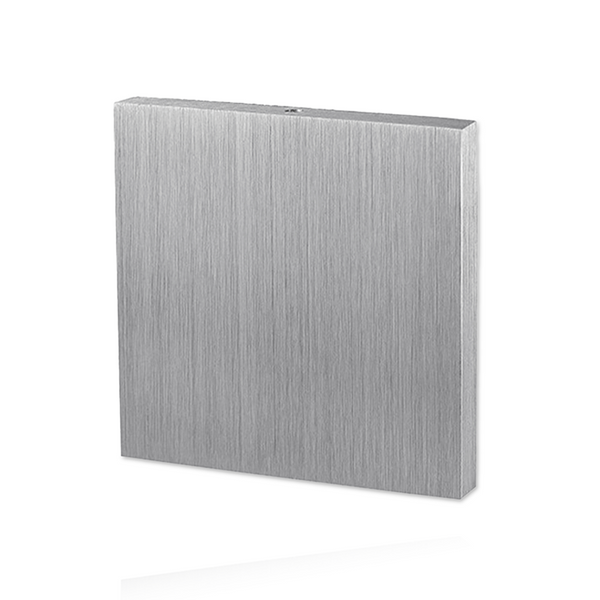
Attachment Stair Lighting Trevo Aluminium | Square 60° | 80 × 80 × 9 mm
€13,95


More about Stair lighting
Stair lighting is partly for safety and partly for ambiance. Light low on the steps shows where your foot will land without having to turn on the entire stairwell — pleasant at night, and the reason most people start with it. Our range revolves around one modular system plus a step light with a motion sensor, all running on standard mains voltage.
The modular system: base unit plus attachment
The Trevo consists of two parts that you choose separately. The base unit is the recessed light itself and disappears into the riser: 1.5W with a CCT switch for 3000K, 4000K or 6000K, 150 lumens, cut-out size Ø46.5 mm. A cover attachment slides over it, which you see from the outside and which determines the direction of the light. There are eight shapes — round or square, light downwards, all around, through a slot in the middle or in a 60° beam — each in black, white, and aluminum.
For each light point, you need one base unit and one cover attachment. The attachment slides off without tools, so you can change the look later without drilling new holes or replacing the recessed light. If you prefer color, choose the 3W RGBW Trevo Smart base unit; the same attachments fit on it.
230 volts, so no driver needed
This is the difference from many other stair lights: our modules work directly on 230V mains voltage. You don't need to buy a 12V driver, and you don't have to calculate how many watts can be handled by one transformer. This saves money, space behind the riser, and a component prone to failure. The 12V drivers we carry in accessories are intended for our low-voltage spotlights, not for stair lighting.
Recessed into the riser
Most stair lights go into the riser, the vertical plane between two steps. You drill a hole, feed the cable through, and click the fixture into place. The cut-out sizes remain small — Ø46.5 mm for the Trevo, 52 mm for the Steno — so the hole remains modest, and the wood retains its strength. The Steno requires a 34 mm recess depth; there's rarely more behind a riser.
Open staircase, closed staircase, or along the wall
For a closed staircase, there is a riser to build into, and the choice is simple. For an open staircase, that surface isn't there, and you work from the side: in the wall next to the stairs, at the same height as every second or third step. If the stairs are free-standing, the stringer or a wall light low on the steps is the alternative. This is also the time for stair renovation — the risers are removed anyway, so the wiring is exposed.
How many points and where?
Lighting every step is nice but rarely necessary. Every two or three steps provides enough light to walk safely and looks calmer. For a straight staircase, always place them on the same side; for a winding staircase, follow the outside curve, as that's where you place your foot. The same rule applies to multi-story stairwells — calculate per floor, not per staircase.
Light color
For a staircase in a home, 3000K warm white is usually the right choice: enough contrast to see the steps without it becoming clinical. 4000K and higher are more suitable for a commercial building or basement. All modules have a CCT switch, so you set the light color yourself during installation and are not bound by the choice you made when ordering.
Read more
- Stair lighting for an open staircase: three methods that work
- How much stair lighting do you need, and where do you place it?
- Stair lighting with a sensor, smart or wireless: what really works?
Also known as step light or riser lighting
Stair lighting is also called stair tread lighting, riser lighting, or stair spotlight. The English terms are step light, stair light, and staircase lighting — the name of our Steno step light comes from that. If you search for recessed stair lighting, side stair lighting, or wall stair lighting, it refers to where the fixture is located: in the riser, in the stringer, or in the wall next to it.
Frequently asked questions
What exactly do I need per step?
One base unit and one cover attachment. The base unit is the lamp (€14.95, or €23.95 for the RGBW version), the cover attachment is the visible finish (€13.95). If you want lighting every two steps on a fourteen-step staircase, that would be seven of each.
Do I have to demolish the staircase to install lighting?
No. For a closed staircase, you drill through the riser and run the cable along the back. For an open staircase or a staircase against a wall, you work from the side, with installation in the wall or with wall lights low on the steps.
Is wireless stair lighting available?
Battery-operated versions exist, but we do not carry them. A staircase is a place where you want to do nothing for years, and batteries that you have to replace on a ladder every few months don't fit well with that. Our modules are hardwired to 230V; if you still want to operate without a switch, the Steno with a motion sensor is the practical compromise.
Can stair lighting be connected to a sensor?
Yes. The Steno step light has a built-in motion sensor: it switches on with movement within 8 meters and switches off again after approximately 30 seconds. For the Trevo system, you place a separate motion or twilight sensor in the power supply, before the first module.
Are the attachments interchangeable?
Yes, all eight fit the same base unit, including the Smart version. This allows you to choose the shape of the light beam — completely open, only downwards, or through a narrow slot. This way, you can change the look later without drilling new holes.
How much light do I need per step?
Little. Our modules are between 1.5 and 3 watts and provide 90 to 150 lumens, which is sufficient to define the step. Too much light on a staircase is counterproductive: you get blinded and actually see the edge of the step worse.