Filters
Sort Best selling
-
LED Wall Light Travi Beige | 2x GU10 | IP20 | Cylinder -
LED Wall Light COB Cube Matte Black | IP54 | Up & Down In stock
LED Wall Light COB Cube Matte Black | IP54 | Up & Down
€25,95
-
LED Wall Light COB Cube Matte Grey | IP54 | Up & Down In stock
LED Wall Light COB Cube Matte Grey | IP54 | Up & Down
€25,95
-
LED Wall Light COB Round Grey | 6W | IP65 | Up & Down | Grey  IP65DimmableIn stock
LED Wall Light COB Round Grey | 6W | IP65 | Up & Down | Grey
€32,95
-
LED Wall Light COB Cube CCT Matte Black | 6W | IP65 | Up & Down | Matte Black  CCT-switchIP65DimmableIn stock
LED Wall Light COB Cube CCT Matte Black | 6W | IP65 | Up & Down | Matte Black
€29,95
-
LED Wall Light COB Cube Matte White | 6W | IP54 | Up & Down | Matte White In stock
LED Wall Light COB Cube Matte White | 6W | IP54 | Up & Down | Matte White
€20,95
-
LED Wall Lamp Dano Black | 8W CCT Dimmable | IP65  CCT-switchIP65DimmableIn stock
LED Wall Lamp Dano Black | 8W CCT Dimmable | IP65
€27,95
-
LED Wall Lamp Dano Anthracite | 8W CCT Dimmable | IP65  CCT-switchIP65DimmableIn stock
LED Wall Lamp Dano Anthracite | 8W CCT Dimmable | IP65
€27,95
-
LED Wall Lamp Dano White | 8W CCT Dimmable | IP65  CCT-switchIP65DimmableIn stock
LED Wall Lamp Dano White | 8W CCT Dimmable | IP65
€27,95
-
LED Wall Light Square White | GU10 | IP44 In stock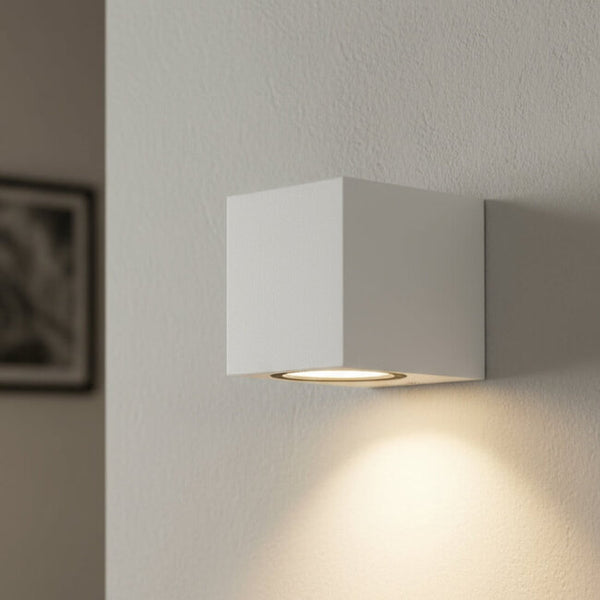
LED Wall Light Square White | GU10 | IP44
€14,95
€21,95 -
LED Wall Light Square Matte Black | GU10 | IP44 In stock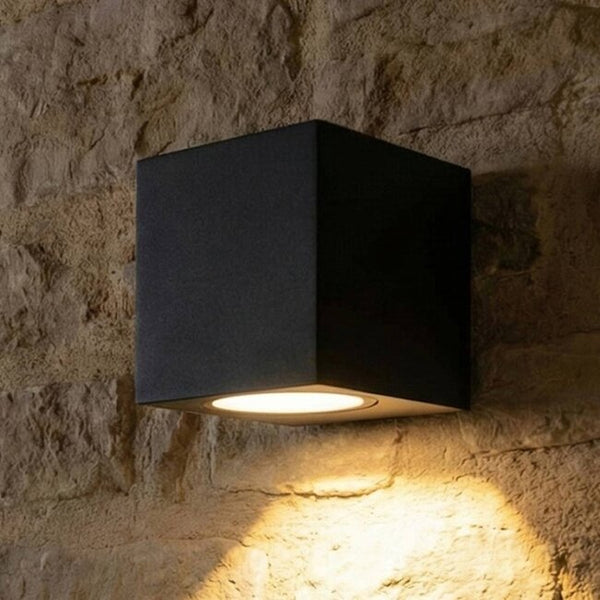
LED Wall Light Square Matte Black | GU10 | IP44
€14,95
-
LED Wall Light Senso Black | 6W | IP54 | Motion Sensor -
LED Wall Light Sandy Bronze | 2x GU10 | IP20 | Round 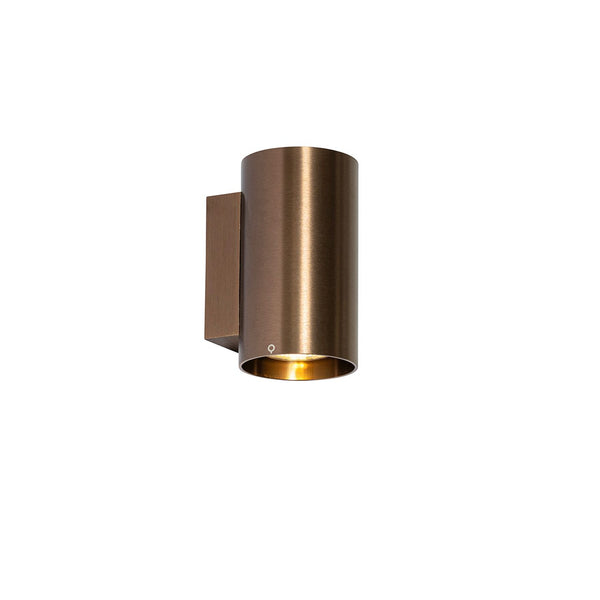 DimmableIn stock
LED Wall Light Sandy Bronze | 2x GU10 | IP20 | Round
€40,95
-
LED Wall Light Sandy Gold | 2x GU10 | IP20 | Round 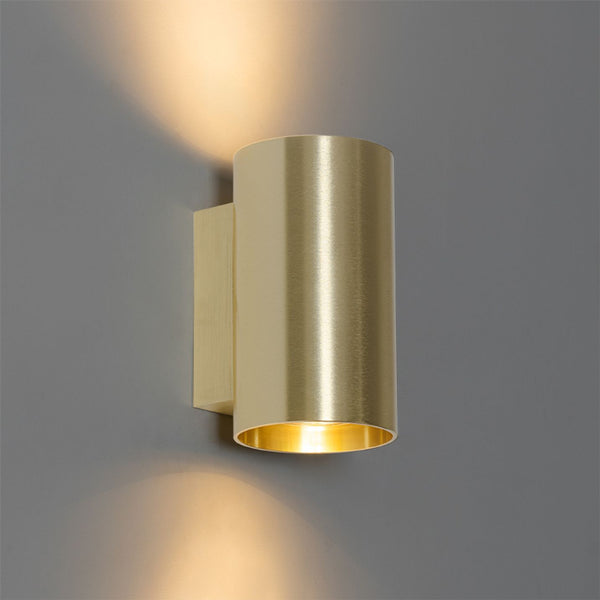 DimmableIn stock
LED Wall Light Sandy Gold | 2x GU10 | IP20 | Round
€43,95
-
LED Wall Light Zaro Matte White | 1x GU10 | IP44 | Outdoor 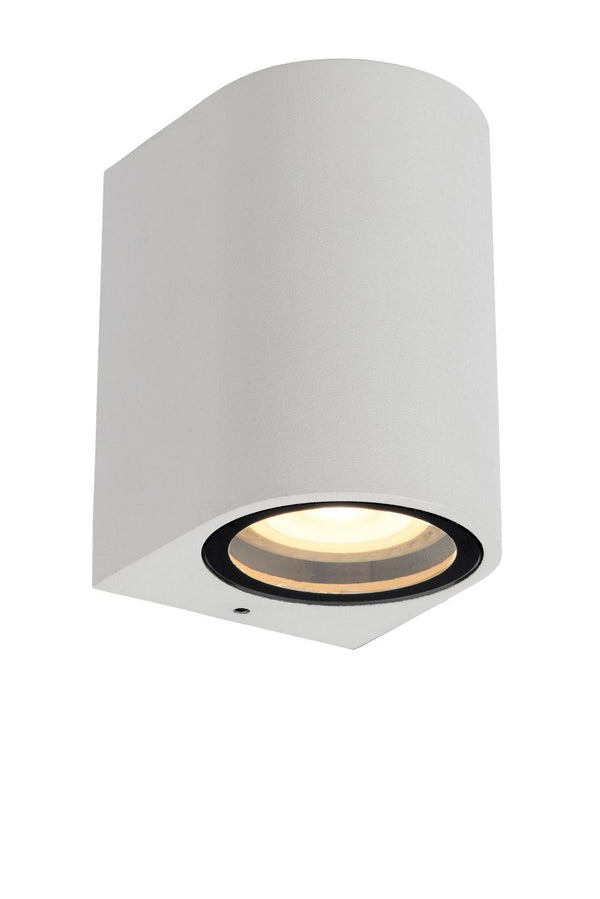 DimmableIn stock
LED Wall Light Zaro Matte White | 1x GU10 | IP44 | Outdoor
€17,95
-
LED Wall Light Zaro Matte Black | 1x GU10 | IP44 | Outdoor 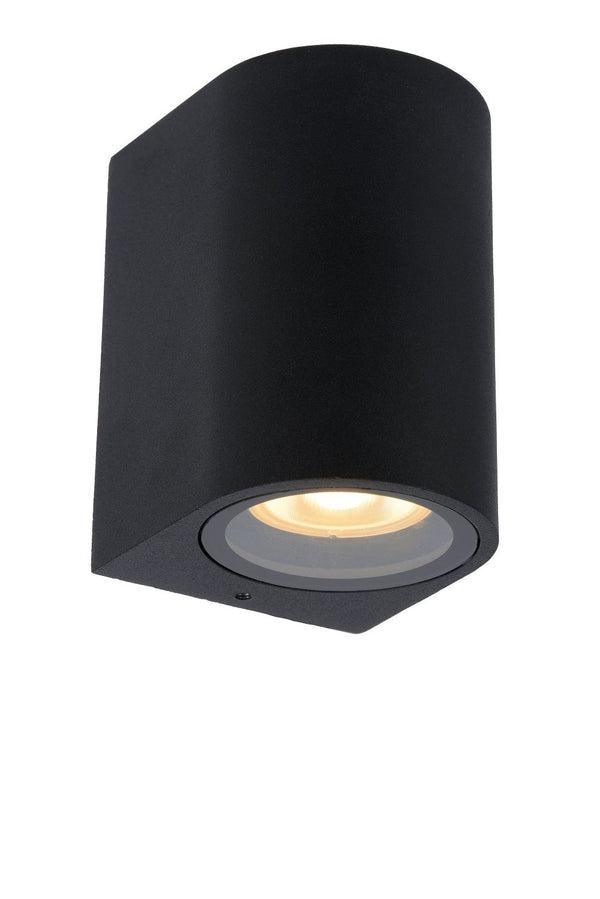 DimmableIn stock
LED Wall Light Zaro Matte Black | 1x GU10 | IP44 | Outdoor
€16,95
-
LED Wall Light Zaro Matte White | 2x GU10 | IP44 | Outdoor 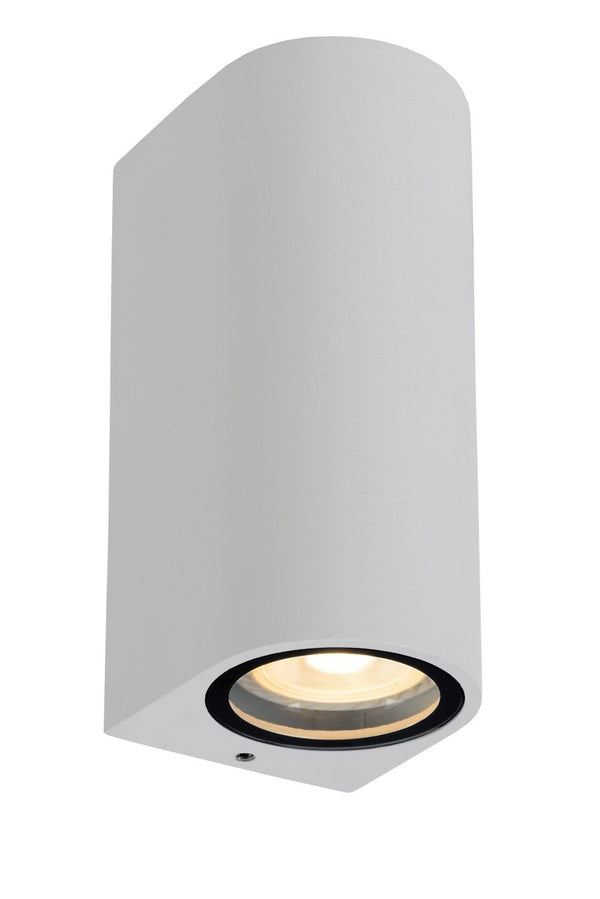 DimmableIn stock
LED Wall Light Zaro Matte White | 2x GU10 | IP44 | Outdoor
€23,95
-
LED Wall Light Zaro Matte Black | 2x GU10 | IP44 | Outdoor 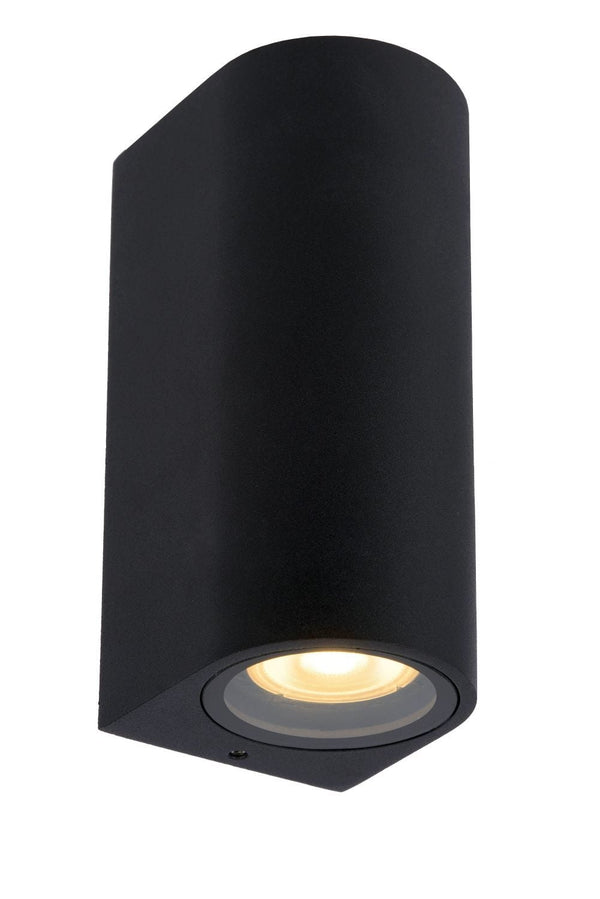 DimmableIn stock
LED Wall Light Zaro Matte Black | 2x GU10 | IP44 | Outdoor
€31,95
-
LED Wall Lamp Coen Smart Bronze | 2x G9 | IP20 | 2-light -
LED Wall Lamp Scallop Beige | E27 | IP20 | 1-light -
LED Wall Light Plaster Beige | 2x GU10 | IP20 | Cylinder -
LED Wall Light Lines Bronze | IP20 | 1-light -
LED Wall Lamp Transfer Double Bronze | 2x G9 | IP20 | Square -
LED Wall Light Transfer Bronze | G9 | IP20 | Square -
LED Wall Light Tum White | G9 | IP20 | Round -
LED Wall Light Coen Bronze | 2x G9 | IP20 | 2-light -
LED Wall Light Edwin Matt Black | G9 | IP20 | Round -
LED Wall Light Sandy Bronze | 2x GU10 | IP20 | 2-light -
LED Wall Light Nomo Black | 6W 2700K | Rechargeable | 250lm -
LED Wall Light Ovalo Black-Gold | G9 | Oval -
LED Wall Light Kubo Matte Black | G9 | IP65 | Cube -
LED Wall Light Divo Matte Black | 2× GU10 | IP20 | Up & Down -
LED Wall Light D-shape Matt Black | GU10 | IP44 -
LED Wall Light Tiltable Square Matt Black | GU10 | IP44 -
LED Square Wall Light Up & Down Matt Black | IP44 | Double GU10 -
LED Wall Light Round Up & Down Silver | IP44 | Double GU10 -
LED Wall Light D-shape Up & Down Matt Black | IP44 | Double GU10


More about Wall lights
A wall light functions differently than a ceiling spot: it casts light against a surface rather than onto it. This creates depth in a room that would otherwise appear flat with only ceiling lighting. We offer wall lights with G9, GU10, and E27 fittings, with IP ratings ranging from IP20 for indoor use to IP65 for facades.
Up & down or one direction?
An up-and-down light shines both upwards and downwards simultaneously, creating two beams of light on the wall. This works powerfully next to a front door, in a stairwell, or along a facade. A model that shines in one direction is calmer and better suited next to a bed or above a painting. In both cases, the closer to the wall, the sharper the beam.
Indoor or outdoor
For indoor use, IP20 is sufficient. For a facade under an eaves, IP44 will often suffice, but if it's freely exposed to the elements, opt for IP65. This is also the rating you want for a light that gets wet and then freezes in winter.
Which fitting do you choose?
G9 is small and provides a pinpoint source of light: beautiful in sleek, compact fixtures. GU10 is the familiar spot fitting, widely available and usually dimmable. E27 is the classic screw fitting and offers the most choice in bulbs, from filament to smart. Most of our wall lights do not include the light source, allowing you to determine the light color yourself.
Material and color
Matte black and matte white are the safest choices: they blend in with a modern facade or wall. Bronze, gold, and beige, on the other hand, stand out and work well if the lamp itself is intended to be part of the interior. Aluminum and cast metal last the longest outdoors.
Also called wall fixture or wall light
A wall lamp is also called a wall fixture, mural lamp, or facade lighting if it's hung outdoors. In English: wall light, wall sconce, or wall lamp. The versions that emit light both upwards and downwards are known as up & down wall lamp or up and down wall light; this is not a brand name but a description of the light direction.
Frequently Asked Questions
At what height do you hang a wall light?
Indoors, about 1.60 to 1.80 meters is a good height: this is at eye level, so you don't look directly into the light source. Next to a front door, it's usually hung slightly higher, around 1.80 to 2 meters, and on a facade along a driveway, even higher.
Is the light source included?
With most models, no — this is specified per product at the fitting. This allows you to choose between 2700K and 3000K, and whether you want a dimmable bulb. With a few models that include Zigbee light sources, the bulb is included.
Can a wall light be connected to a dimmer?
That depends on the light source, not the fixture. Install a dimmable LED bulb and use a Triac dimmer suitable for the load. With a single bulb of a few watts, you quickly fall below the minimum load of older dimmers — see Which dimmer works with our spots.
What exactly does IP44 mean?
The first digit concerns solid objects, the second concerns water. A 4 in the second position means resistant to splashing water from any direction. A 5 means resistant to a water jet. For a place where it truly rains and is windy, you therefore want IP65.