Filters
Sort Featured
-
LED Recessed Spotlight Lesto Matte White | 4W/6W CCT Dimmable | IP65 | Ø68 mm 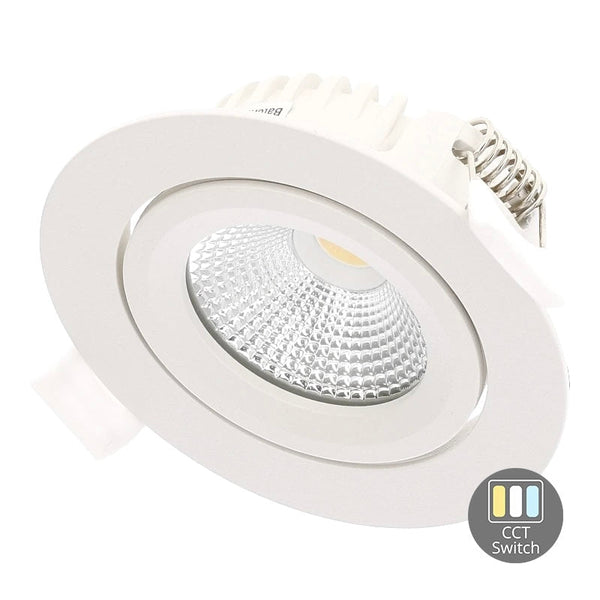 CCT-switchIP65DimmableIn stock
LED Recessed Spotlight Lesto Matte White | 4W/6W CCT Dimmable | IP65 | Ø68 mm
€14,95
€24,95 -
LED Recessed Spotlight Lesto Matte Black | 4W/6W CCT Dimmable | IP65 | Ø68 mm 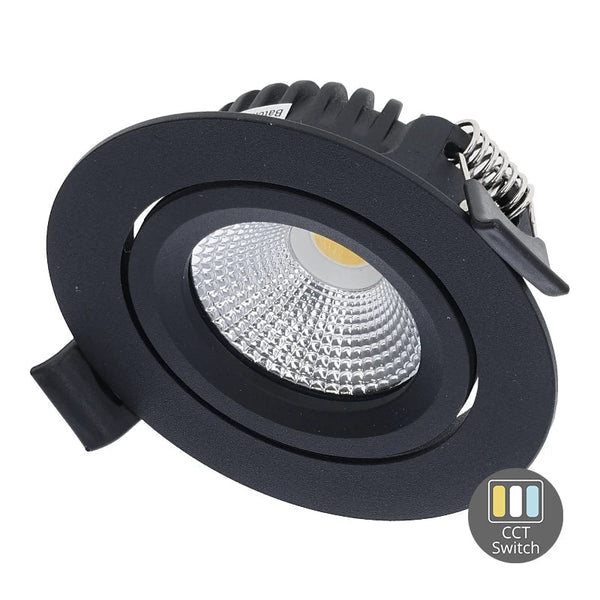 CCT-switchIP65DimmableIn stock
LED Recessed Spotlight Lesto Matte Black | 4W/6W CCT Dimmable | IP65 | Ø68 mm
€14,95
€24,95 -
LED Recessed Spotlight Lesto Silver | 4W/6W CCT Dimmable | IP65 | Ø68 mm 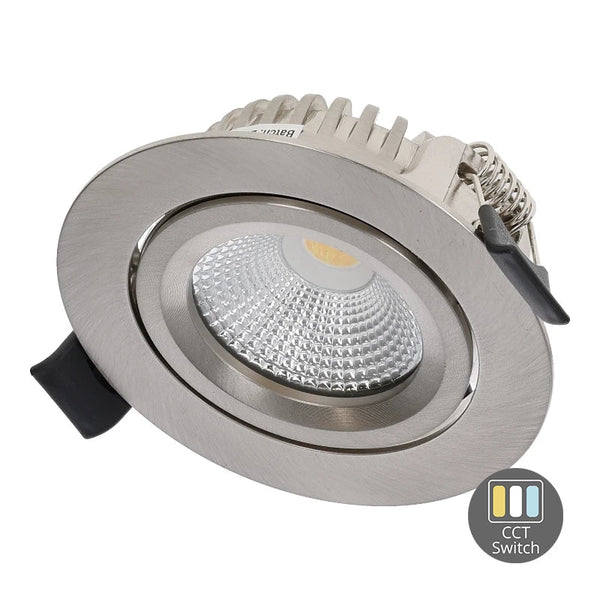 CCT-switchIP65DimmableIn stock
LED Recessed Spotlight Lesto Silver | 4W/6W CCT Dimmable | IP65 | Ø68 mm
€16,95
€24,95 -
LED Recessed Spotlight Lesto Copper | 4W/6W CCT Dimmable | IP65 | Ø68 mm 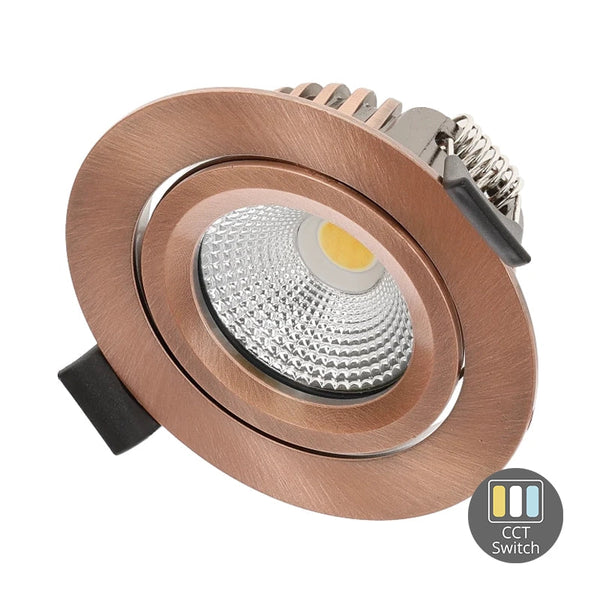 CCT-switchIP65DimmableIn stock
LED Recessed Spotlight Lesto Copper | 4W/6W CCT Dimmable | IP65 | Ø68 mm
€16,95
€24,95 -
LED Recessed Spotlight Lesto Gold | 4W/6W CCT Dimmable | IP65 | Ø68 mm 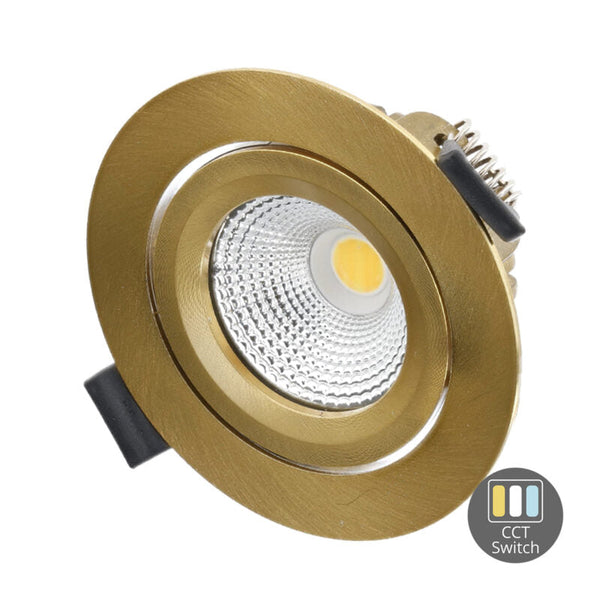 CCT-switchIP65DimmableIn stock
LED Recessed Spotlight Lesto Gold | 4W/6W CCT Dimmable | IP65 | Ø68 mm
€16,95
€24,95 -
LED Recessed Spotlight Lesto Satin Metallic | 4W/6W CCT Dimmable | IP65 | Ø68 mm 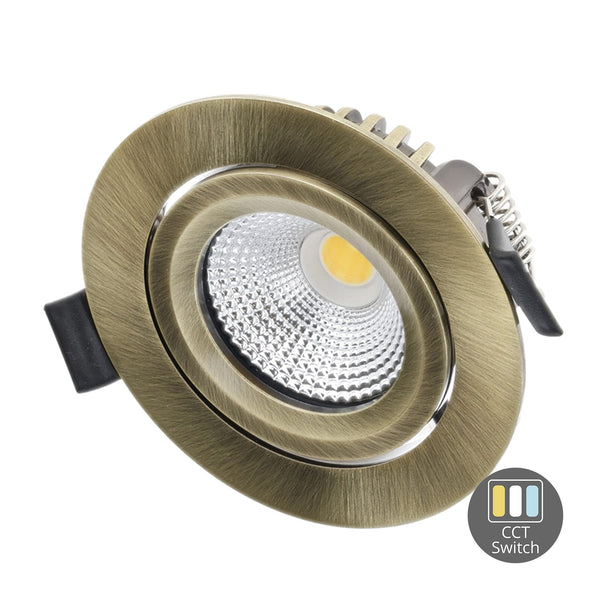 CCT-switchIP65DimmableIn stock
LED Recessed Spotlight Lesto Satin Metallic | 4W/6W CCT Dimmable | IP65 | Ø68 mm
€16,95
€24,95 -
LED Recessed Spotlight Lesto Dark Bronze | 4W/6W CCT Dimmable | IP65 | Ø68 mm 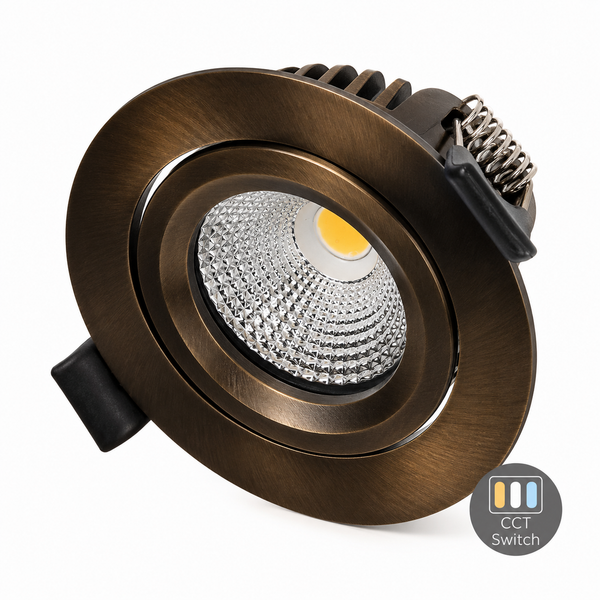 CCT-switchIP65DimmableIn stock
LED Recessed Spotlight Lesto Dark Bronze | 4W/6W CCT Dimmable | IP65 | Ø68 mm
€24,95
-
LED Recessed Spotlight Lesto Chrome | 5W dimmable | IP65 | Ø82 mm  IP65DimmableIn stock
LED Recessed Spotlight Lesto Chrome | 5W dimmable | IP65 | Ø82 mm
€14,95
€24,95 -
LED Recessed Spotlight Lesto Silver | 5W Dimmable | IP65 | Ø82 mm  IP65DimmableIn stock
LED Recessed Spotlight Lesto Silver | 5W Dimmable | IP65 | Ø82 mm
€14,95
€24,95 -
LED Recessed Spotlight Lesto Matte Black | 5W Dimmable | IP65 | Ø82 mm  IP65DimmableIn stock
LED Recessed Spotlight Lesto Matte Black | 5W Dimmable | IP65 | Ø82 mm
€14,95
€24,95 -
LED Recessed Spotlight Lyvo Matte White | 5W/7W CCT Dimmable | IP65 | Depth 27 mm 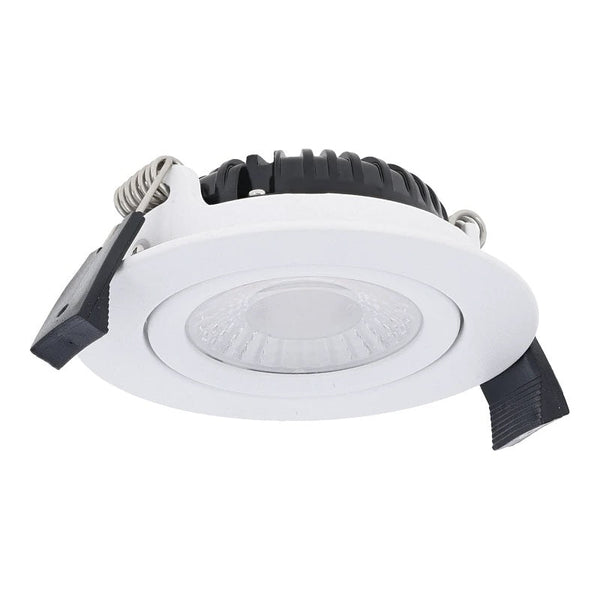 CCT-switchIP65DimmableIn stock
LED Recessed Spotlight Lyvo Matte White | 5W/7W CCT Dimmable | IP65 | Depth 27 mm
€16,95
-
LED Recessed Spotlight Lyvo Matte Black | 5W/7W CCT Dimmable | IP65 | Depth 27 mm 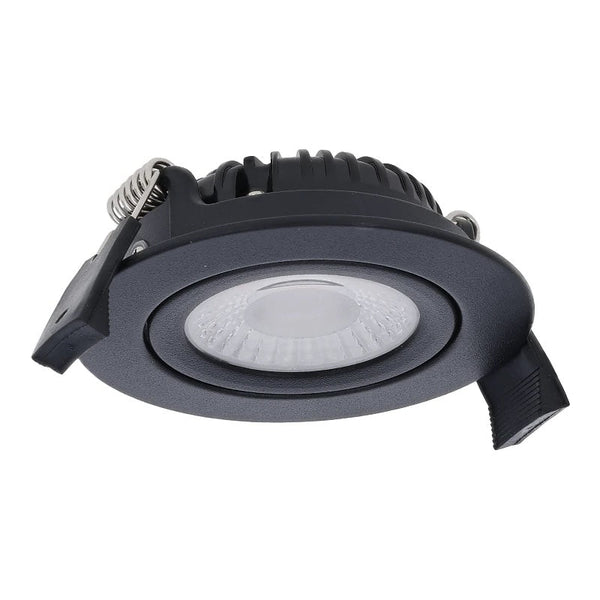 CCT-switchIP65DimmableIn stock
LED Recessed Spotlight Lyvo Matte Black | 5W/7W CCT Dimmable | IP65 | Depth 27 mm
€16,95
-
LED Recessed Spotlight Lyvo Gold | 5W/7W CCT Dimmable | IP65 | Depth 27 mm 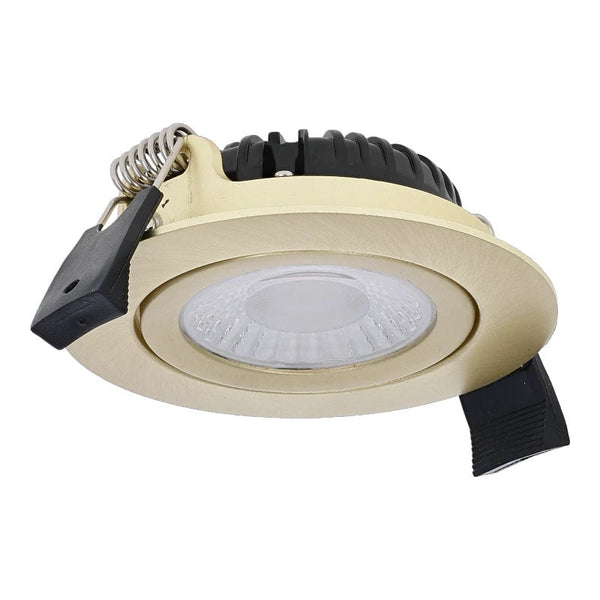 CCT-switchIP65DimmableIn stock
LED Recessed Spotlight Lyvo Gold | 5W/7W CCT Dimmable | IP65 | Depth 27 mm
€16,95
-
LED Recessed Spotlight Lyvo Matte Black | 6W CCT dimmable | IP65 | depth 27 mm 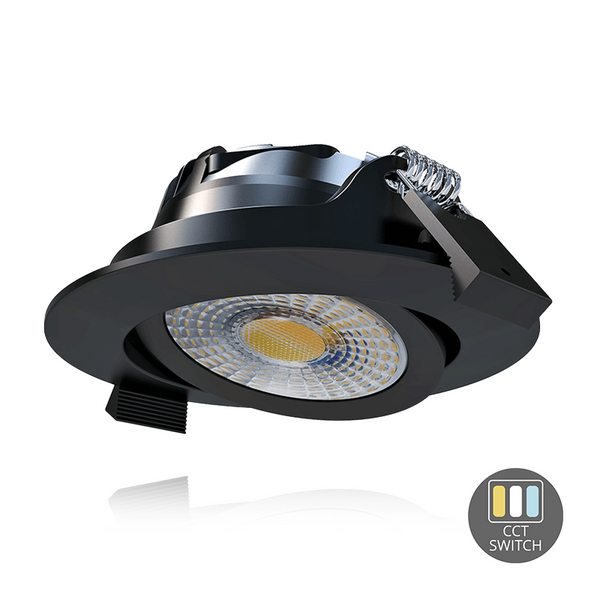 CCT-switchIP65DimmableIn stock
LED Recessed Spotlight Lyvo Matte Black | 6W CCT dimmable | IP65 | depth 27 mm
€15,95
-
LED Recessed Spotlight Warmo Matte White | 5W/7W Dim2Warm + CCT Dimmable | IP65 | Depth 27 mm 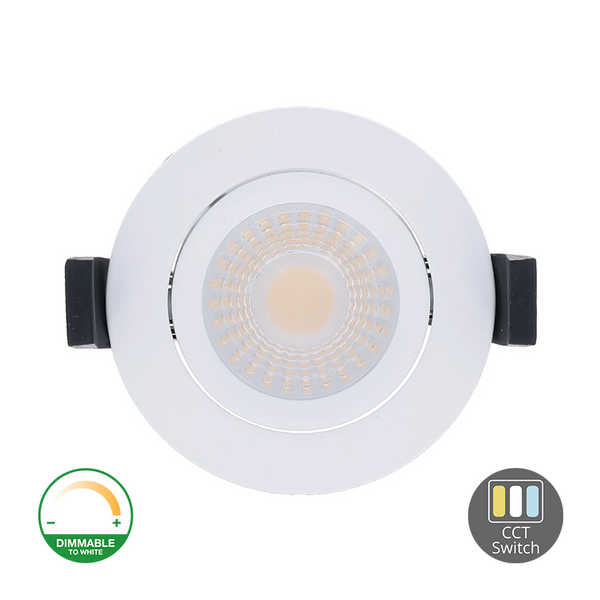 Dim2WarmCCT-switchIP65In stock
LED Recessed Spotlight Warmo Matte White | 5W/7W Dim2Warm + CCT Dimmable | IP65 | Depth 27 mm
€16,95
-
LED Recessed Spotlight Warmo Matte Black | 5W/7W Dim2Warm + CCT Dimmable | IP65 | Depth 27 mm 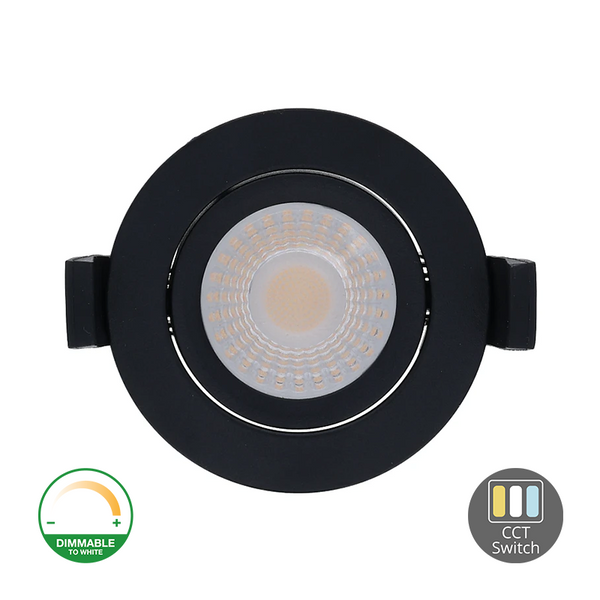 Dim2WarmCCT-switchIP65In stock
LED Recessed Spotlight Warmo Matte Black | 5W/7W Dim2Warm + CCT Dimmable | IP65 | Depth 27 mm
€16,95
-
LED Recessed Spotlight Warmo Gold | 5W/7W Dim2Warm + CCT Dimmable | IP65 | Depth 27 mm 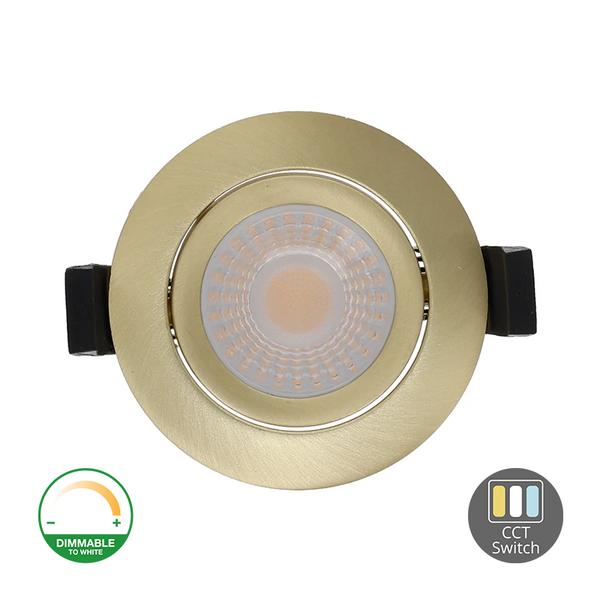 Dim2WarmCCT-switchIP65In stock
LED Recessed Spotlight Warmo Gold | 5W/7W Dim2Warm + CCT Dimmable | IP65 | Depth 27 mm
€16,95
-
LED Recessed Spotlight Marlo Matte White | 5W CCT Dimmable | IP65 | Ø55 mm 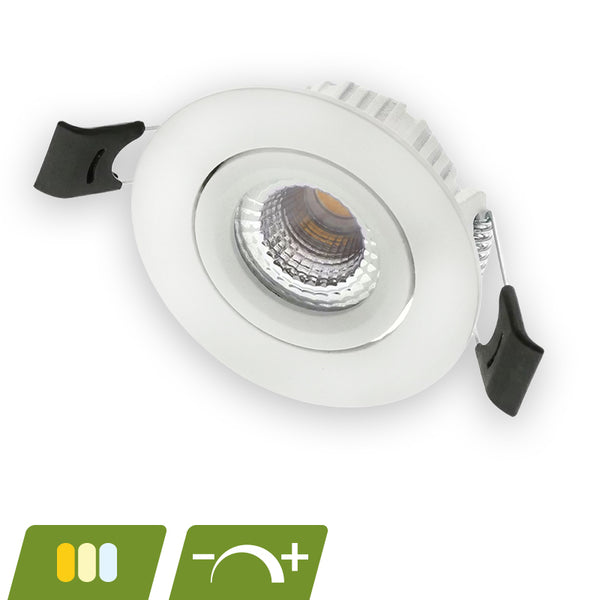 CCT-switchIP65DimmableIn stock
LED Recessed Spotlight Marlo Matte White | 5W CCT Dimmable | IP65 | Ø55 mm
€14,95
-
LED Recessed Spotlight Marlo Matte Black | 5W CCT Dimmable | IP65 | Ø55 mm 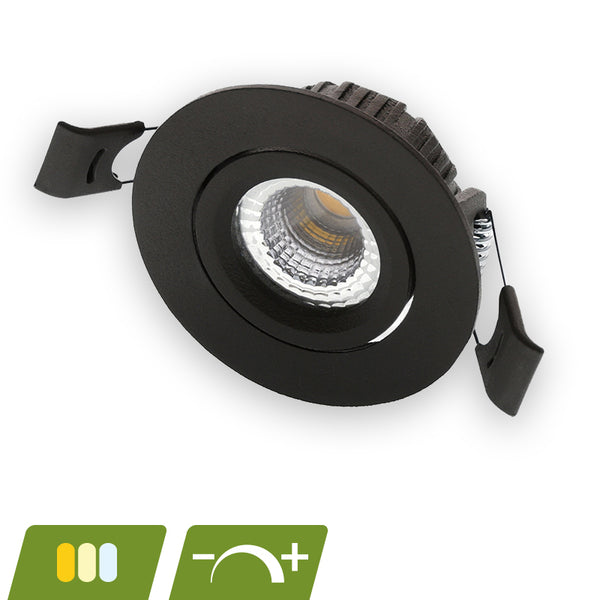 CCT-switchIP65DimmableIn stock
LED Recessed Spotlight Marlo Matte Black | 5W CCT Dimmable | IP65 | Ø55 mm
€14,95
-
LED Recessed Spotlight Marlo Silver | 5W CCT Dimmable | IP65 | Ø55 mm 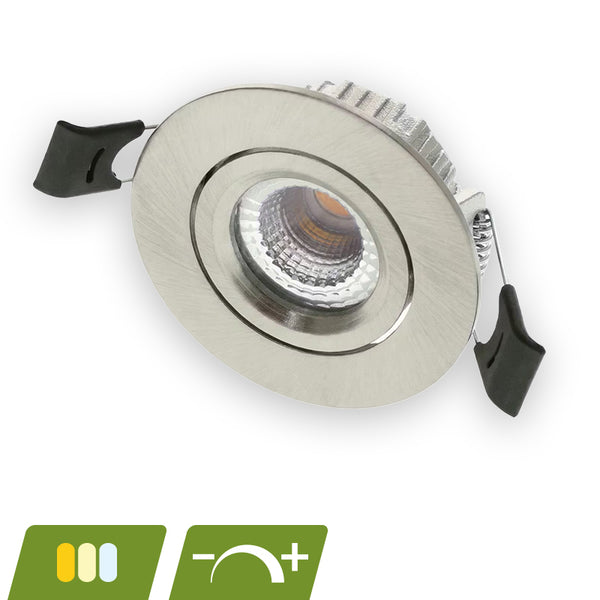 CCT-switchIP65DimmableIn stock
LED Recessed Spotlight Marlo Silver | 5W CCT Dimmable | IP65 | Ø55 mm
€14,95
-
LED Recessed Spotlight Marlo Gold | 5W CCT Dimmable | IP65 | Ø55 mm 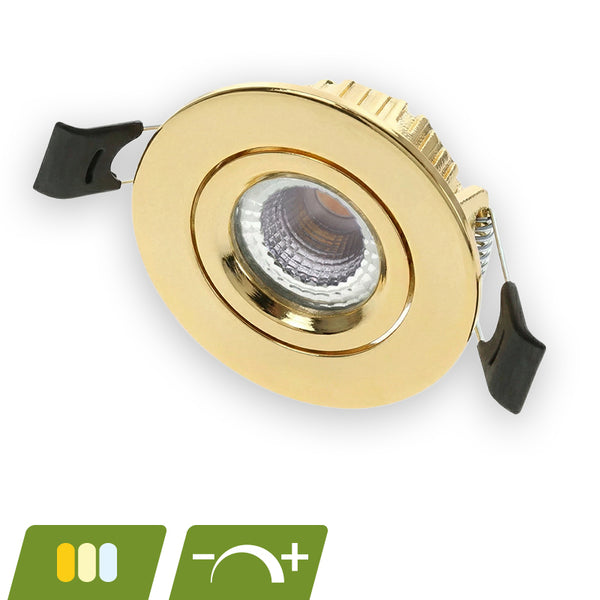 CCT-switchIP65DimmableIn stock
LED Recessed Spotlight Marlo Gold | 5W CCT Dimmable | IP65 | Ø55 mm
€14,95
-
LED Recessed Spotlight Vigo Matte White | 5W Dim2Warm Dimmable | IP54 | Ø55 mm 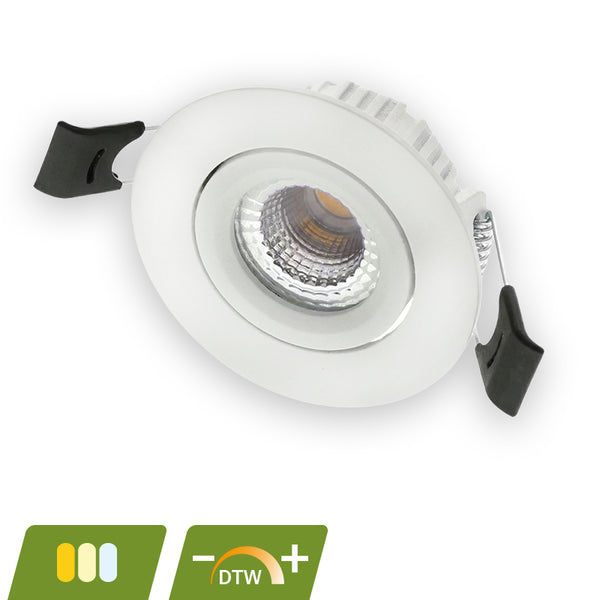 Dim2WarmIn stock
LED Recessed Spotlight Vigo Matte White | 5W Dim2Warm Dimmable | IP54 | Ø55 mm
€14,95
-
LED Recessed Spotlight Vigo Matte Black | 5W Dim2Warm Dimmable | IP54 | Ø55 mm 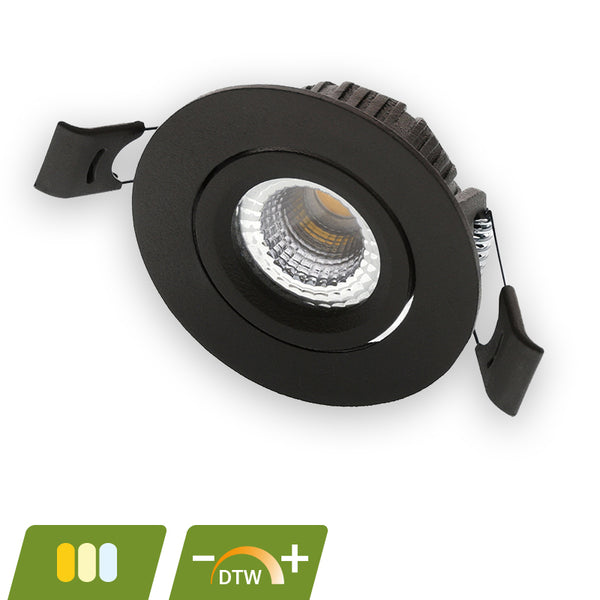 Dim2WarmIn stock
LED Recessed Spotlight Vigo Matte Black | 5W Dim2Warm Dimmable | IP54 | Ø55 mm
€14,95
-
LED Recessed Spotlight Vigo Silver | 5W Dim2Warm Dimmable | IP54 | Ø55 mm 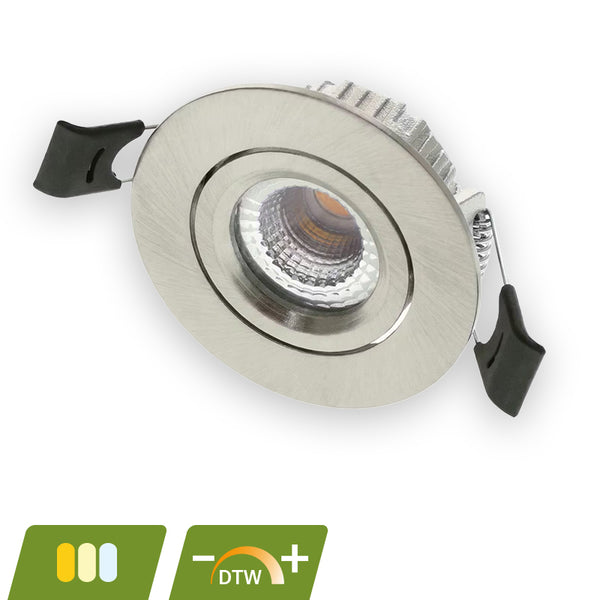 Dim2WarmIn stock
LED Recessed Spotlight Vigo Silver | 5W Dim2Warm Dimmable | IP54 | Ø55 mm
€14,95
-
LED Recessed Spotlight Quaro White | 6W CCT Dimmable | IP65 | Ø75 mm 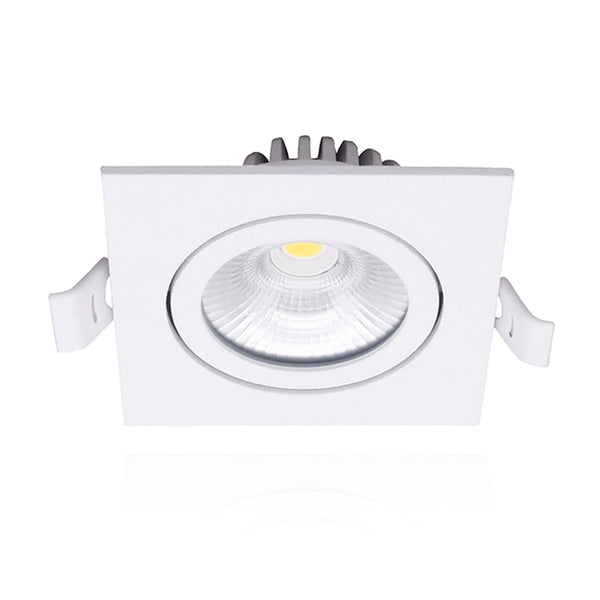 CCT-switchIP65DimmableIn stock
LED Recessed Spotlight Quaro White | 6W CCT Dimmable | IP65 | Ø75 mm
€15,95
-
LED Recessed Spotlight Quaro Matte Black | 6W CCT Dimmable | IP65 | Ø75 mm 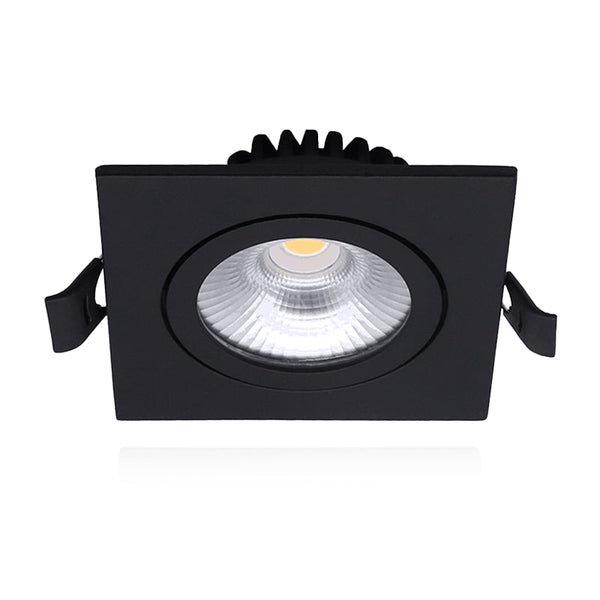 CCT-switchIP65DimmableIn stock
LED Recessed Spotlight Quaro Matte Black | 6W CCT Dimmable | IP65 | Ø75 mm
€16,95
-
LED Recessed Spotlight Ferro Matte White | 6W CCT Dimmable | IP65 | Ø68 mm 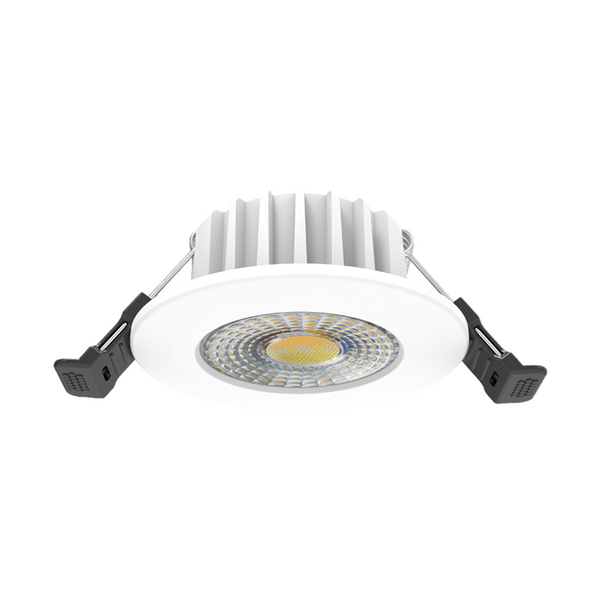 CCT-switchIP65DimmableIn stock
LED Recessed Spotlight Ferro Matte White | 6W CCT Dimmable | IP65 | Ø68 mm
€16,95
-
LED Recessed Spotlight Ferro Matte Black | 6W CCT Dimmable | IP65 | Ø68 mm 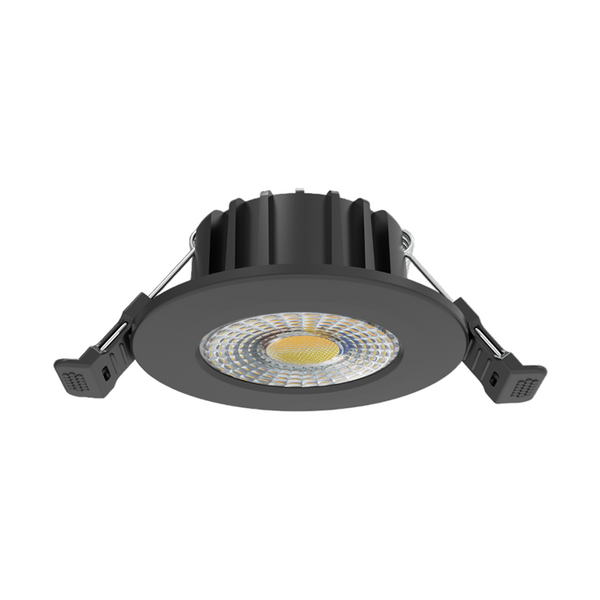 CCT-switchIP65DimmableIn stock
LED Recessed Spotlight Ferro Matte Black | 6W CCT Dimmable | IP65 | Ø68 mm
€16,95
-
LED Recessed Spotlight Ferro Silver | 6W CCT Dimmable | IP65 | Ø68 mm 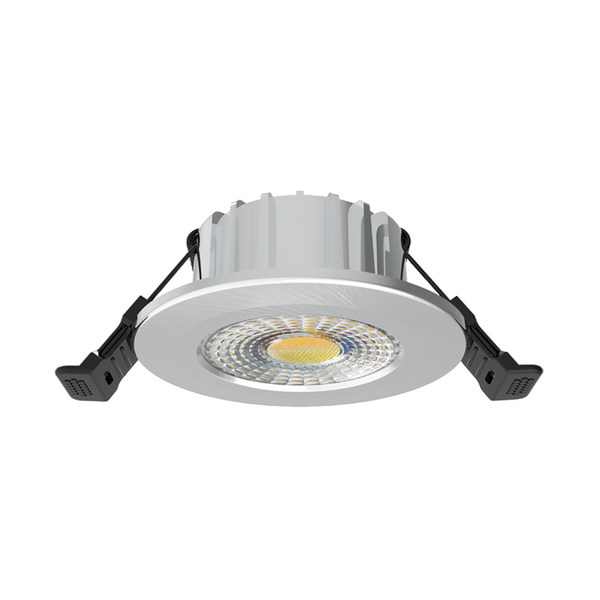 CCT-switchIP65DimmableIn stock
LED Recessed Spotlight Ferro Silver | 6W CCT Dimmable | IP65 | Ø68 mm
€16,95
-
LED Recessed Spotlight Ferro Copper | 6W CCT Dimmable | IP65 | Ø68 mm 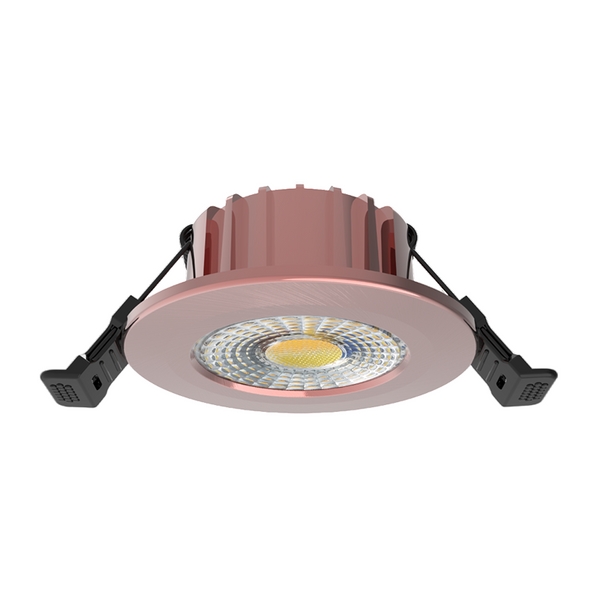 CCT-switchIP65DimmableIn stock
LED Recessed Spotlight Ferro Copper | 6W CCT Dimmable | IP65 | Ø68 mm
€16,95
-
LED Recessed Spotlight Ferro Gold | 6W CCT Dimmable | IP65 | Ø68 mm 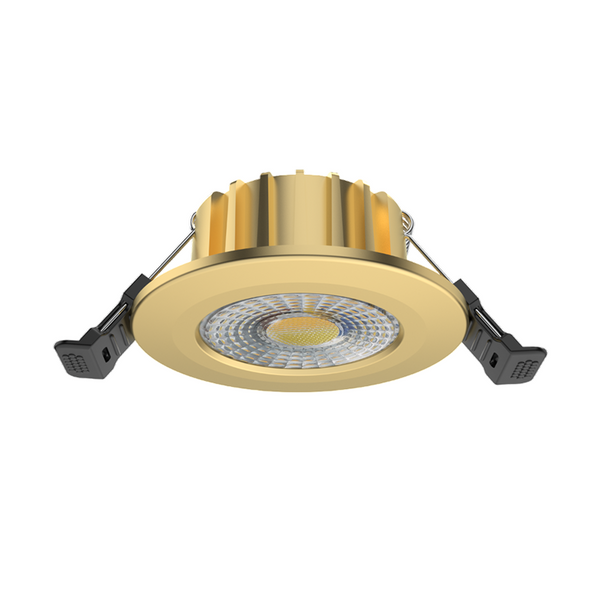 CCT-switchIP65DimmableIn stock
LED Recessed Spotlight Ferro Gold | 6W CCT Dimmable | IP65 | Ø68 mm
€16,95
-
LED Recessed Spotlight Tavo Matt Black | GU10 | IP44 | Ø71 mm -
LED Recessed Spotlight Vero Matt White | GU10 | Deep | Tilting -
LED Recessed Spotlight Cavo Matte White | 6W Dimmable | IP44 | Ø90 mm 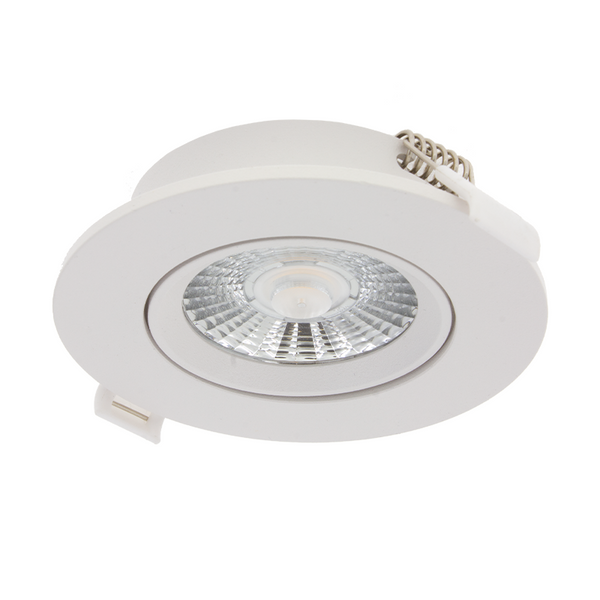 DimmableIn stock
LED Recessed Spotlight Cavo Matte White | 6W Dimmable | IP44 | Ø90 mm
€17,95
-
LED Recessed Spotlight Cavo Matte Black | 6W Dimmable | IP44 | Ø90 mm 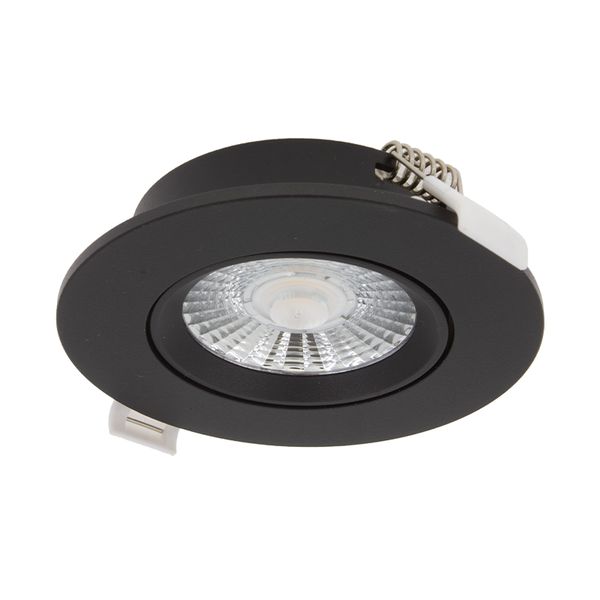 DimmableIn stock
LED Recessed Spotlight Cavo Matte Black | 6W Dimmable | IP44 | Ø90 mm
€17,95
-
LED Recessed Spotlight Cavo Chrome | 6W dimmable | IP44 | Ø90 mm  DimmableIn stock
LED Recessed Spotlight Cavo Chrome | 6W dimmable | IP44 | Ø90 mm
€17,95
-
LED Recessed Spotlight Cavo Silver | 6W dimmable | IP44 | Ø90 mm  DimmableIn stock
LED Recessed Spotlight Cavo Silver | 6W dimmable | IP44 | Ø90 mm
€17,95
-
LED Recessed spotlight Cavo Silver | 6W Dim2Warm | IP44 | Ø90 mm  DimmableIn stock
LED Recessed spotlight Cavo Silver | 6W Dim2Warm | IP44 | Ø90 mm
€17,95
-
LED Recessed Spotlight Cavo Chrome | 6W Dim2Warm | IP44 | Ø90 mm  Dim2WarmIn stock
LED Recessed Spotlight Cavo Chrome | 6W Dim2Warm | IP44 | Ø90 mm
€17,95
-
LED Recessed Spotlight Privo Matte White | GU10/MR16 | IP65 | Ø68 mm 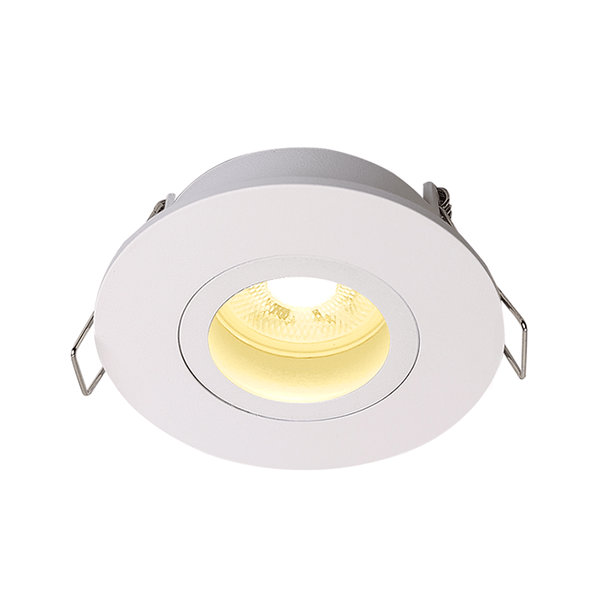 IP65DimmableIn stock
LED Recessed Spotlight Privo Matte White | GU10/MR16 | IP65 | Ø68 mm
€11,95
-
LED Recessed Spotlight Privo Matte Black | GU10/MR16 | IP65 | Ø68 mm 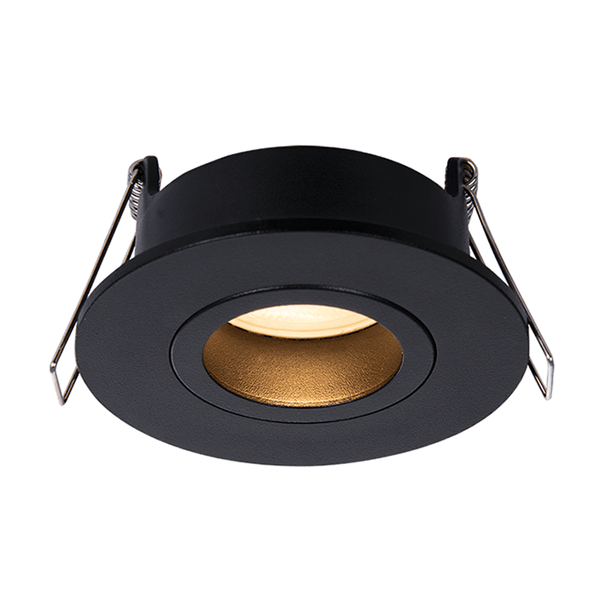 IP65DimmableIn stock
LED Recessed Spotlight Privo Matte Black | GU10/MR16 | IP65 | Ø68 mm
€11,95
-
LED Recessed spotlight Privo Silver | GU10/MR16 | IP65 | Ø68 mm 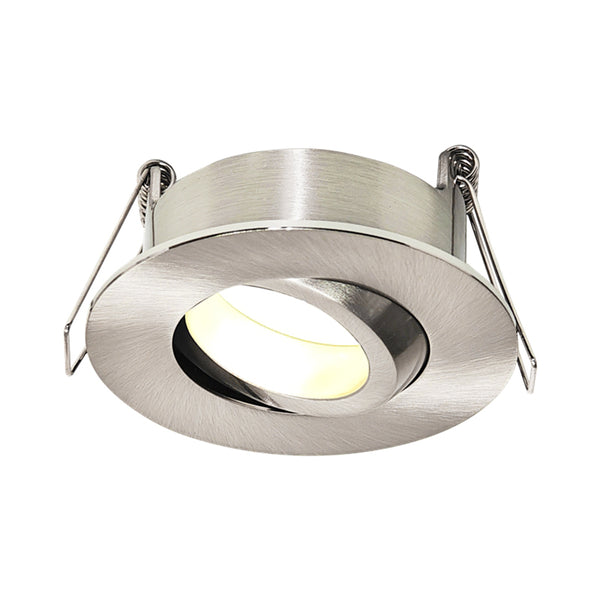 IP65DimmableIn stock
LED Recessed spotlight Privo Silver | GU10/MR16 | IP65 | Ø68 mm
€11,95
-
LED Recessed spotlight Privo Gunmetal | GU10/MR16 | IP65 | Ø68 mm 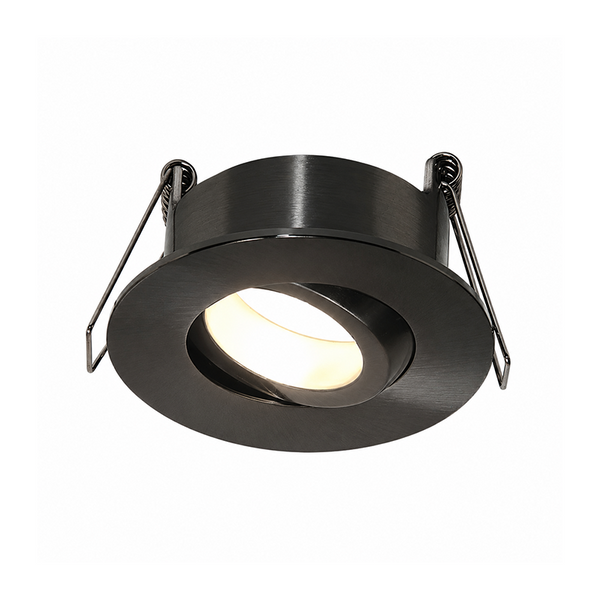 IP65DimmableIn stock
LED Recessed spotlight Privo Gunmetal | GU10/MR16 | IP65 | Ø68 mm
€11,95
-
LED Recessed spotlight Privo Brushed Gold | GU10/MR16 | IP65 | Ø68 mm 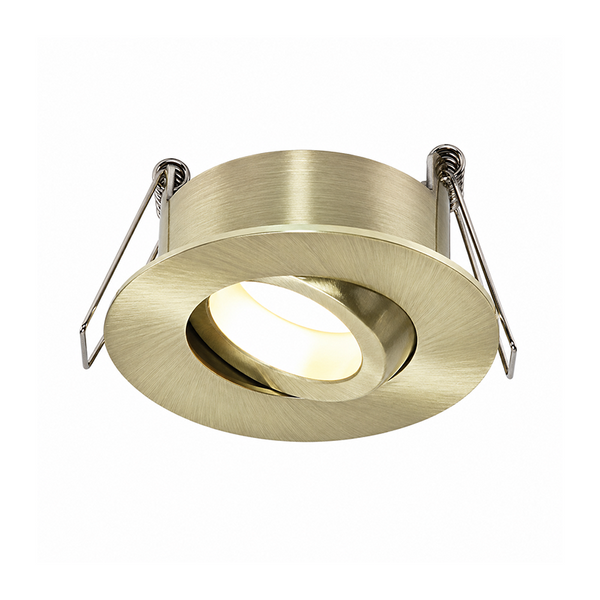 IP65DimmableIn stock
LED Recessed spotlight Privo Brushed Gold | GU10/MR16 | IP65 | Ø68 mm
€11,95
-
LED Recessed spotlight Privo Tea | GU10/MR16 | IP65 | Ø68 mm 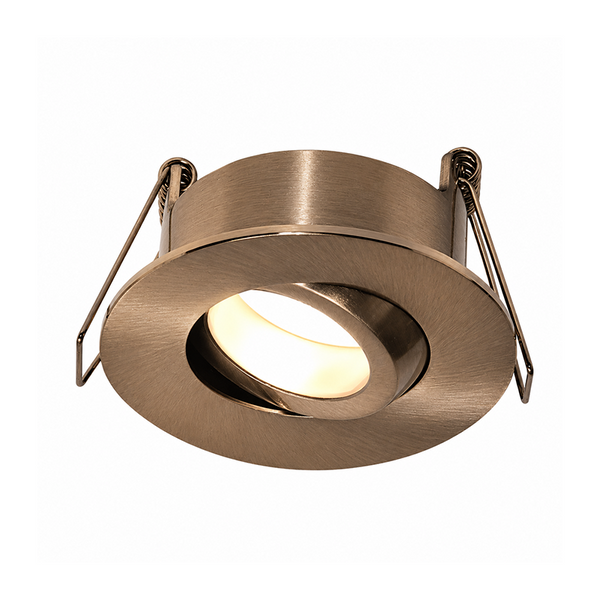 IP65DimmableIn stock
LED Recessed spotlight Privo Tea | GU10/MR16 | IP65 | Ø68 mm
€11,95
-
LED Recessed Spotlight Feno Matte White | GU10/MR16 | IP22 | Ø80 mm 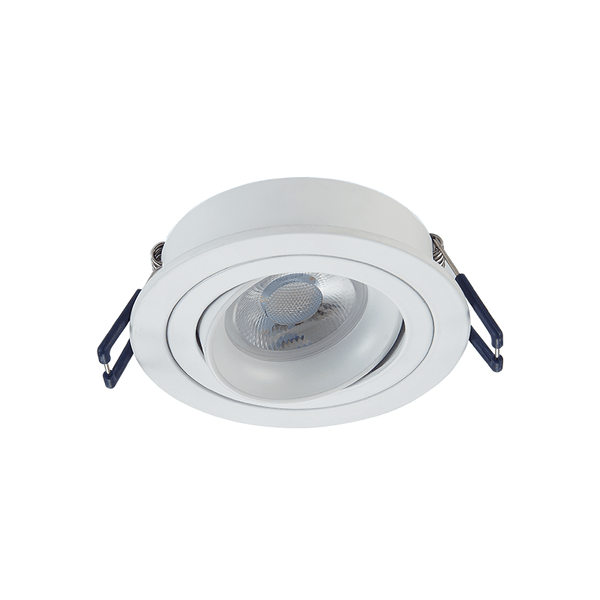 DimmableIn stock
LED Recessed Spotlight Feno Matte White | GU10/MR16 | IP22 | Ø80 mm
€10,95
-
LED Recessed Spotlight Feno Matte Black | GU10/MR16 | IP22 | Ø80 mm 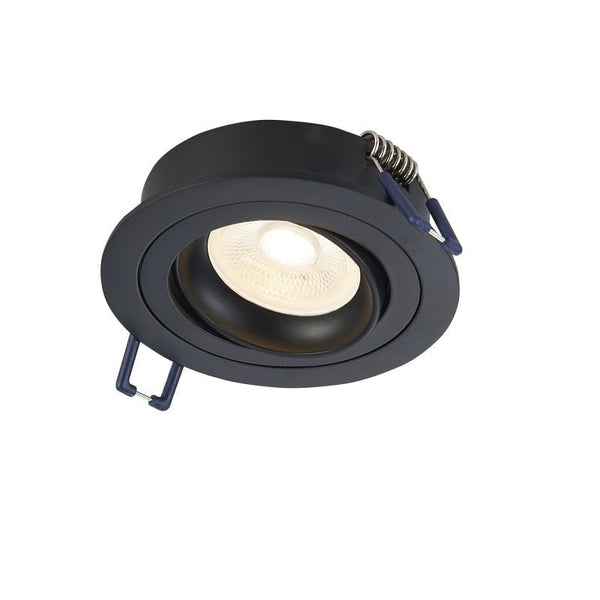 DimmableIn stock
LED Recessed Spotlight Feno Matte Black | GU10/MR16 | IP22 | Ø80 mm
€10,95
-
LED Recessed Spotlight Feno Aluminium | GU10/MR16 | IP22 | Ø80 mm 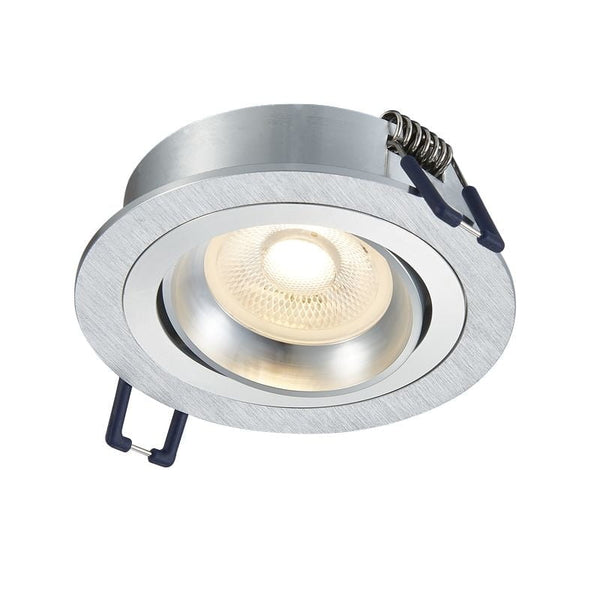 DimmableIn stock
LED Recessed Spotlight Feno Aluminium | GU10/MR16 | IP22 | Ø80 mm
€10,95
-
LED Recessed Spotlight Plano Matte White | GU10/MR16 | IP22 | Ø80 mm 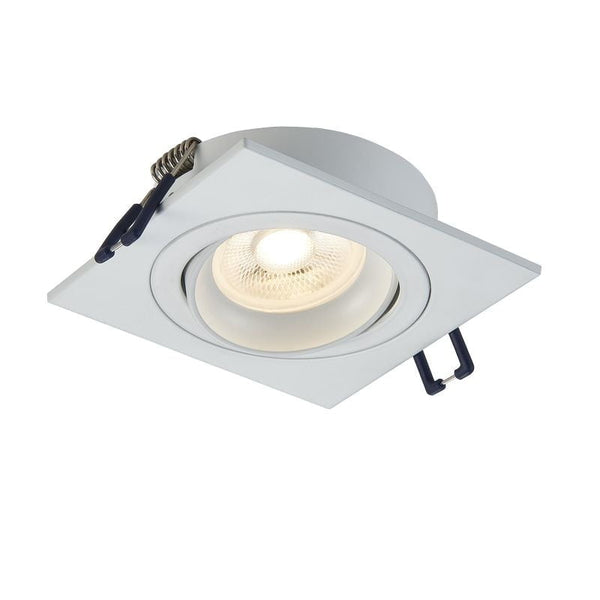 DimmableIn stock
LED Recessed Spotlight Plano Matte White | GU10/MR16 | IP22 | Ø80 mm
€9,95
-
LED Recessed Spotlight Plano Matte Black | GU10/MR16 | IP22 | Ø80 mm 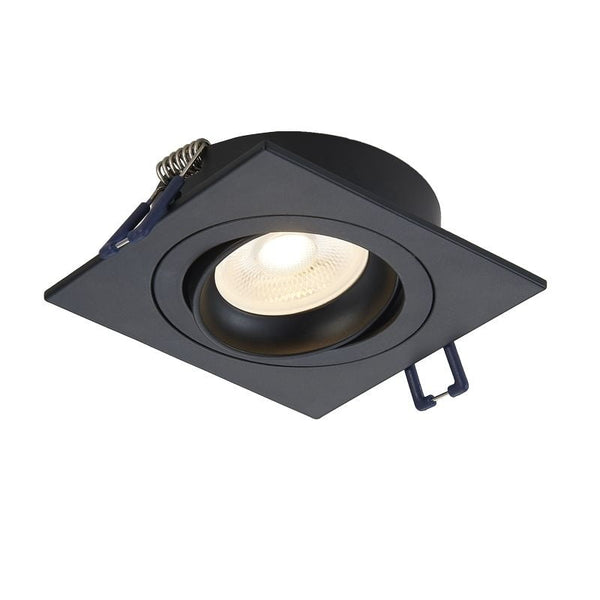 DimmableIn stock
LED Recessed Spotlight Plano Matte Black | GU10/MR16 | IP22 | Ø80 mm
€9,95
-
LED Recessed Spotlight Plano Aluminium | GU10/MR16 | IP22 | Ø80 mm 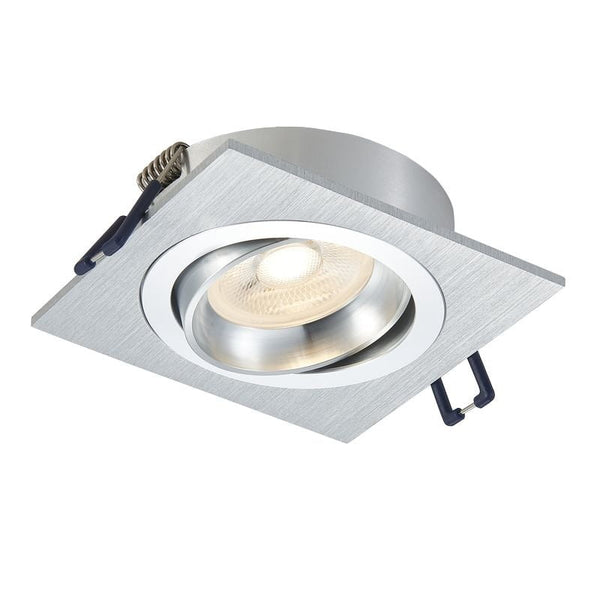 DimmableIn stock
LED Recessed Spotlight Plano Aluminium | GU10/MR16 | IP22 | Ø80 mm
€9,95
-
LED Recessed Spotlight Nivo Mini Matte White | 3W 2700K | IP44 | 240lm In stock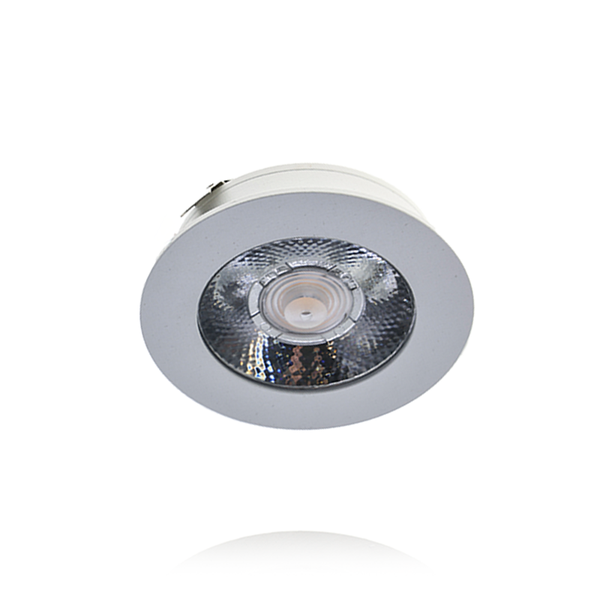
LED Recessed Spotlight Nivo Mini Matte White | 3W 2700K | IP44 | 240lm
€13,95
-
LED Recessed Spotlight Nivo Mini Matte Black | 3W 2700K | IP44 | 240lm In stock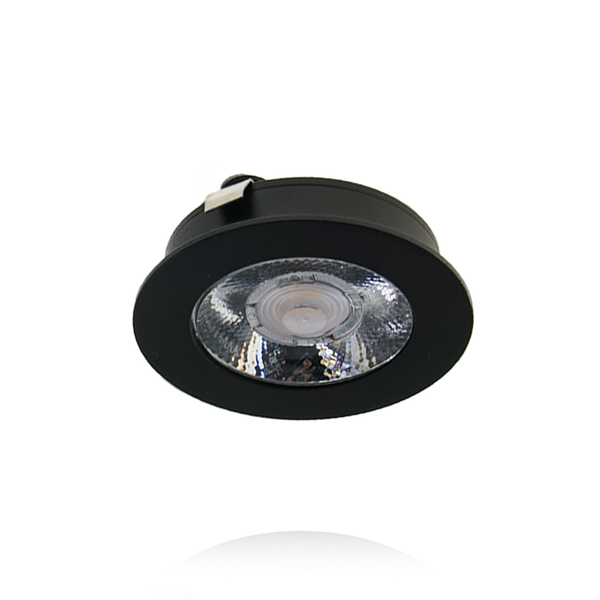
LED Recessed Spotlight Nivo Mini Matte Black | 3W 2700K | IP44 | 240lm
€13,95
-
LED Recessed Spotlight Cielo Matte White | 4W CCT dimmable | IP65 | 400lm 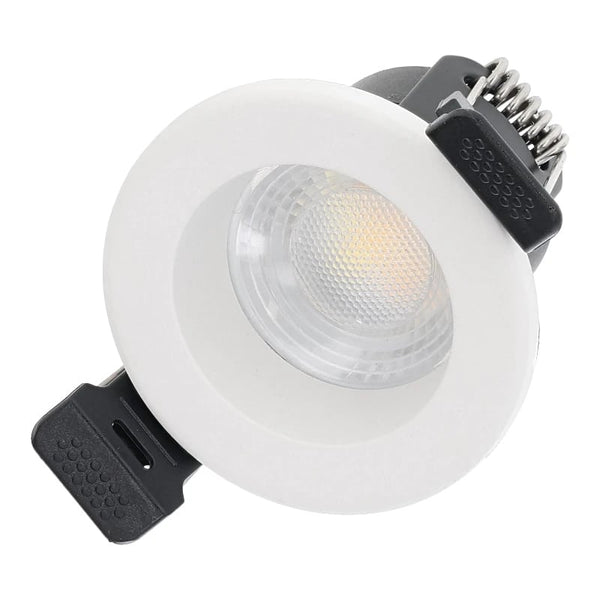 CCT-switchIP65DimmableIn stock
LED Recessed Spotlight Cielo Matte White | 4W CCT dimmable | IP65 | 400lm
€16,95
-
LED Recessed Spotlight Cielo Matte Black | 4W CCT dimmable | IP65 | 400lm  CCT-switchIP65DimmableIn stock
LED Recessed Spotlight Cielo Matte Black | 4W CCT dimmable | IP65 | 400lm
€16,95
-
LED Recessed Spotlight Luma Matte White | GU10/MR16 | IP22 | Ø72 mm 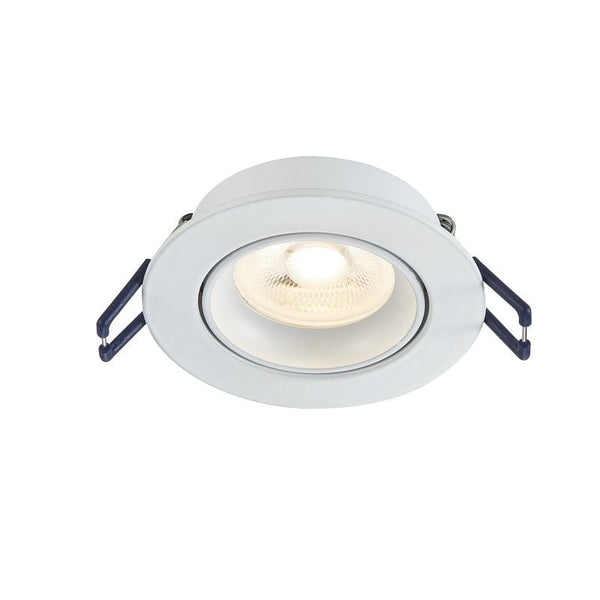 DimmableIn stock
LED Recessed Spotlight Luma Matte White | GU10/MR16 | IP22 | Ø72 mm
€12,95
-
LED Recessed Spotlight Luma Matte Black | GU10/MR16 | IP22 | Ø72 mm 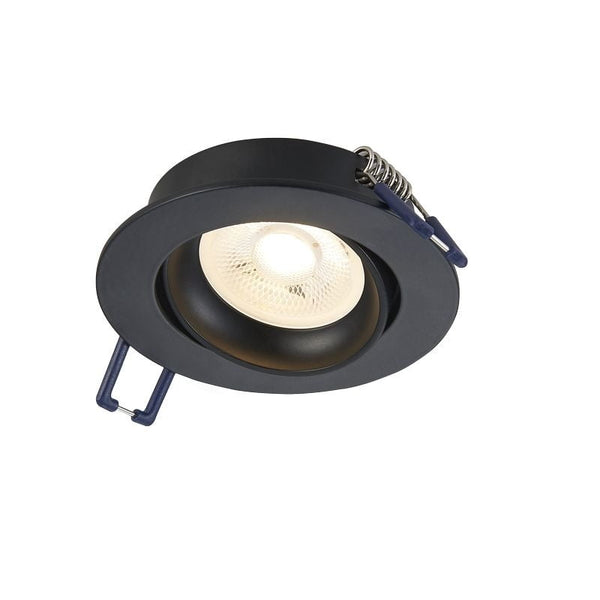 DimmableIn stock
LED Recessed Spotlight Luma Matte Black | GU10/MR16 | IP22 | Ø72 mm
€12,95
-
LED Recessed Spotlight Luma Stainless steel | GU10/MR16 | IP22 | Ø72 mm 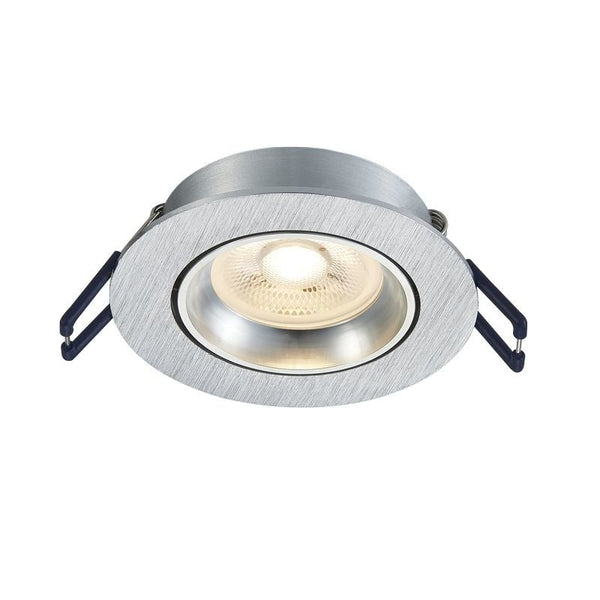 DimmableIn stock
LED Recessed Spotlight Luma Stainless steel | GU10/MR16 | IP22 | Ø72 mm
€12,95
-
LED Recessed Spotlight Rondo Matte White | MR11 | Ø48 mm | Tiltable In stock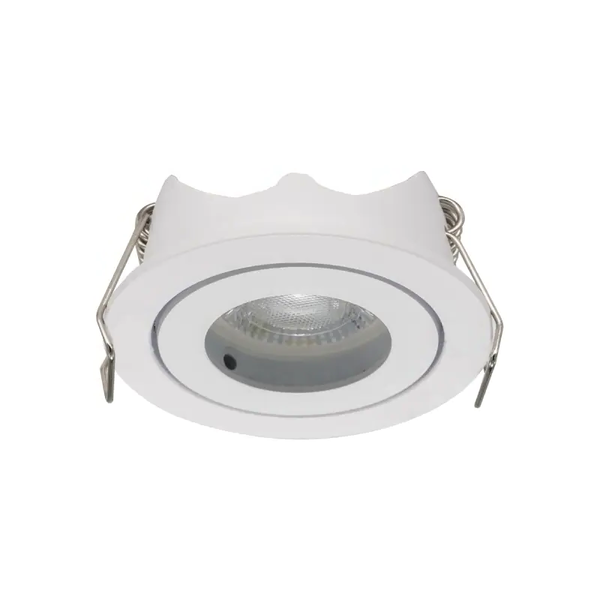
LED Recessed Spotlight Rondo Matte White | MR11 | Ø48 mm | Tiltable
€8,95
-
LED Recessed Spotlight Rondo Matte Black | MR11 | Ø48 mm | Tiltable In stock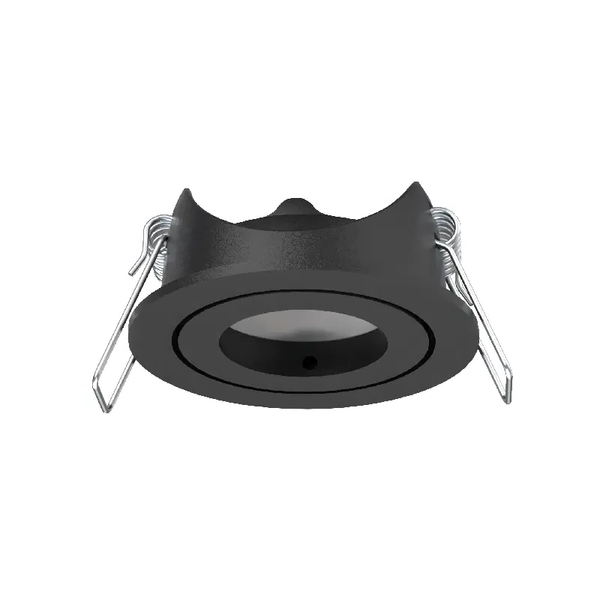
LED Recessed Spotlight Rondo Matte Black | MR11 | Ø48 mm | Tiltable
€8,95
-
LED Recessed Spotlight Rendo Matte White | GU10 | IP20 | Ø69 mm In stock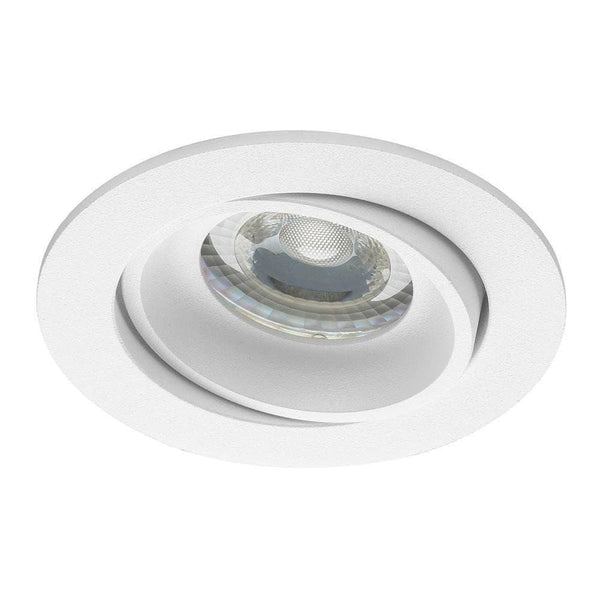
LED Recessed Spotlight Rendo Matte White | GU10 | IP20 | Ø69 mm
€10,95
-
LED Recessed Spotlight Rendo Brushed Aluminium | GU10 | IP20 | Ø69 mm In stock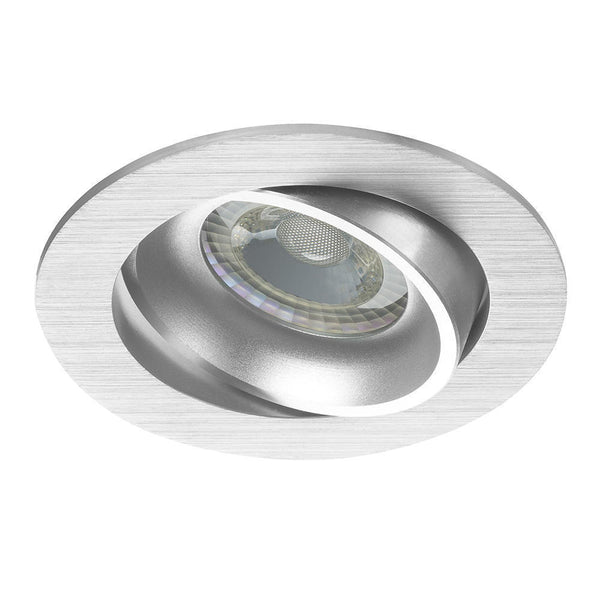
LED Recessed Spotlight Rendo Brushed Aluminium | GU10 | IP20 | Ø69 mm
€10,95
-
LED Recessed Spotlight Rendo Brushed Titanium | GU10 | IP20 | Ø69 mm In stock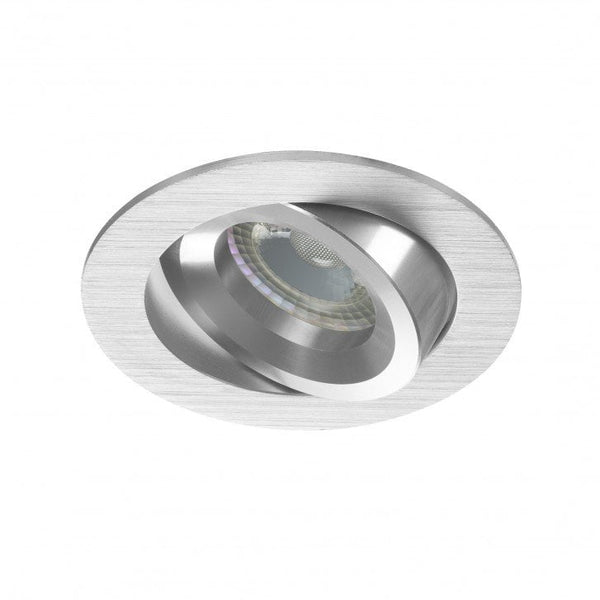
LED Recessed Spotlight Rendo Brushed Titanium | GU10 | IP20 | Ø69 mm
€12,95
-
LED Recessed Spotlight Cardo Matte Black | 1× GU10 | Trimless | 9 × 9 cm 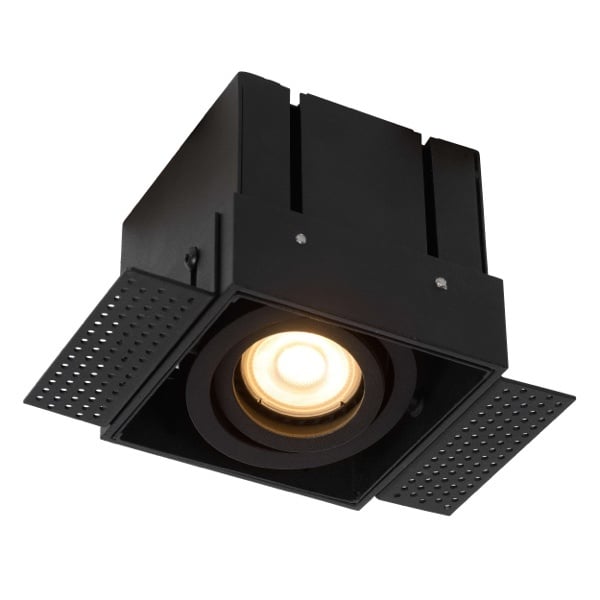 DimmableIn stock
LED Recessed Spotlight Cardo Matte Black | 1× GU10 | Trimless | 9 × 9 cm
€38,95
-
LED Recessed Spotlight Cardo White | 1× GU10 | Trimless | 9 × 9 cm 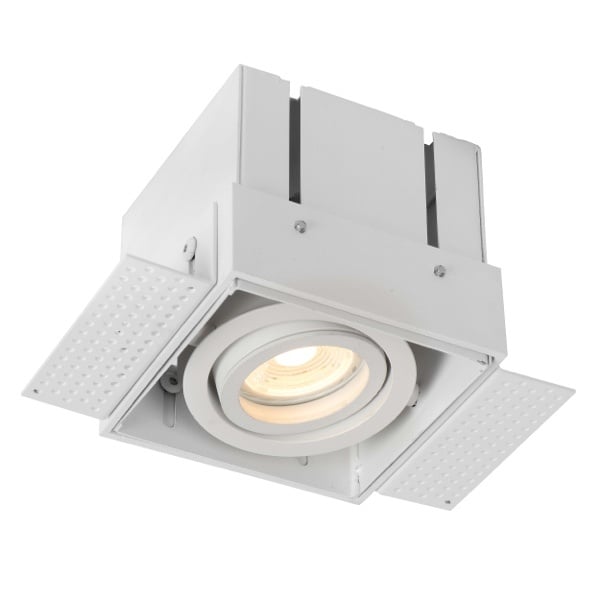 DimmableIn stock
LED Recessed Spotlight Cardo White | 1× GU10 | Trimless | 9 × 9 cm
€39,95
-
LED Recessed Spotlight Movo Matte White | 6W CCT Dimmable | IP65 | Motion Sensor 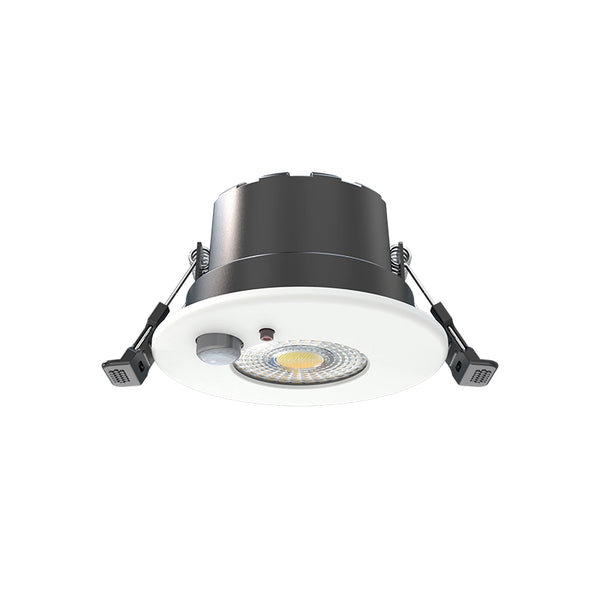 CCT-switchIP65DimmableIn stock
LED Recessed Spotlight Movo Matte White | 6W CCT Dimmable | IP65 | Motion Sensor
€29,95
-
LED Recessed Spotlight Movo Matte Black | 6W CCT Dimmable | IP65 | Motion Sensor 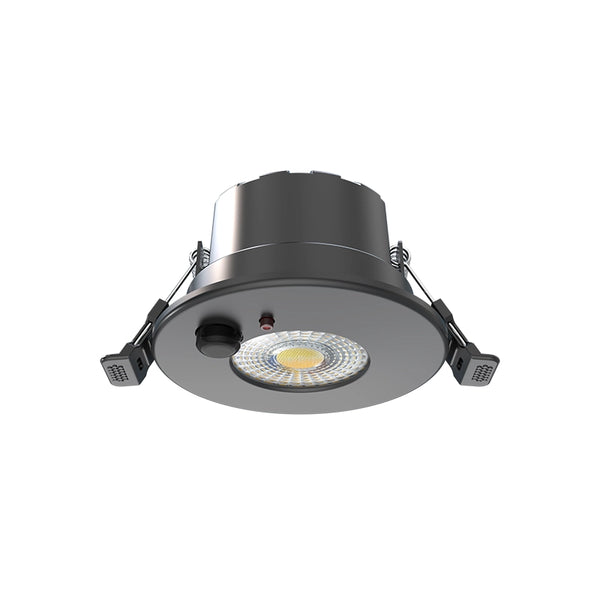 CCT-switchIP65DimmableIn stock
LED Recessed Spotlight Movo Matte Black | 6W CCT Dimmable | IP65 | Motion Sensor
€29,95
-
LED Recessed Spotlight Cardo Matte Black | 2× GU10 | Trimless | 18.5 × 9 cm 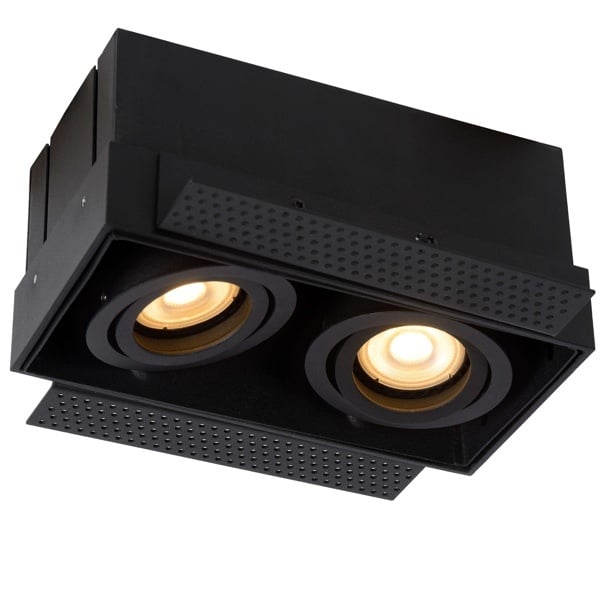 DimmableIn stock
LED Recessed Spotlight Cardo Matte Black | 2× GU10 | Trimless | 18.5 × 9 cm
€50,95
-
LED Recessed Spotlight Cardo White | 2× GU10 | Trimless | 18.5 × 9 cm 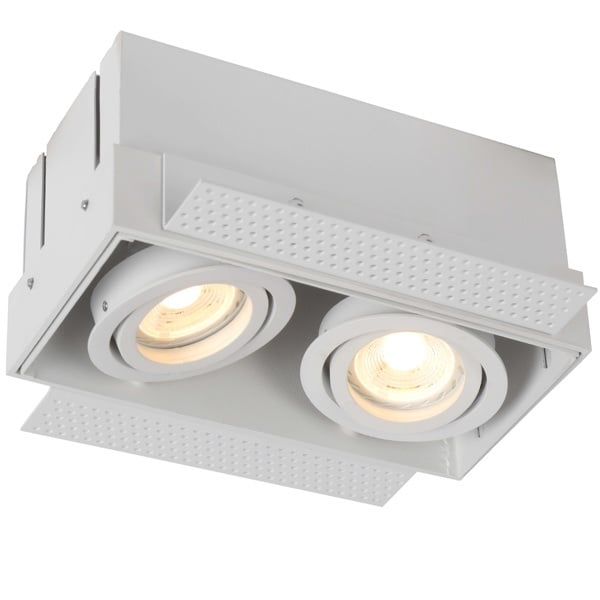 DimmableIn stock
LED Recessed Spotlight Cardo White | 2× GU10 | Trimless | 18.5 × 9 cm
€52,95
-
LED Recessed Spotlights Dovo Set Matte White | 6 Pieces | IP65 | Remote Control 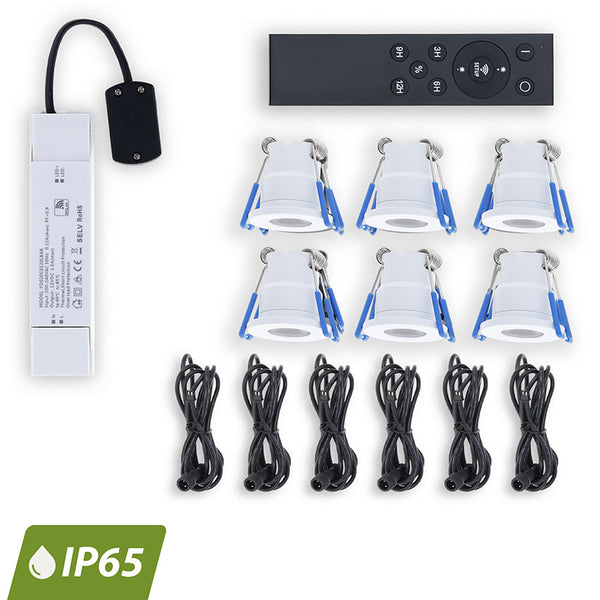 IP65In stock
LED Recessed Spotlights Dovo Set Matte White | 6 Pieces | IP65 | Remote Control
€69,95
-
LED Recessed Spotlights Dovo Set Matte Black | 6 Pieces | IP65 | Remote Control 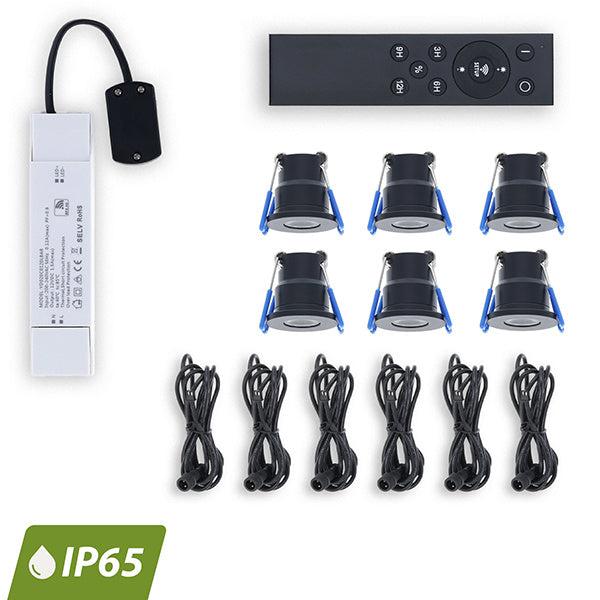 IP65In stock
LED Recessed Spotlights Dovo Set Matte Black | 6 Pieces | IP65 | Remote Control
€69,95
-
LED Recessed Spotlights Dovo Set Silver | 6 Pieces | IP65 | Remote Control 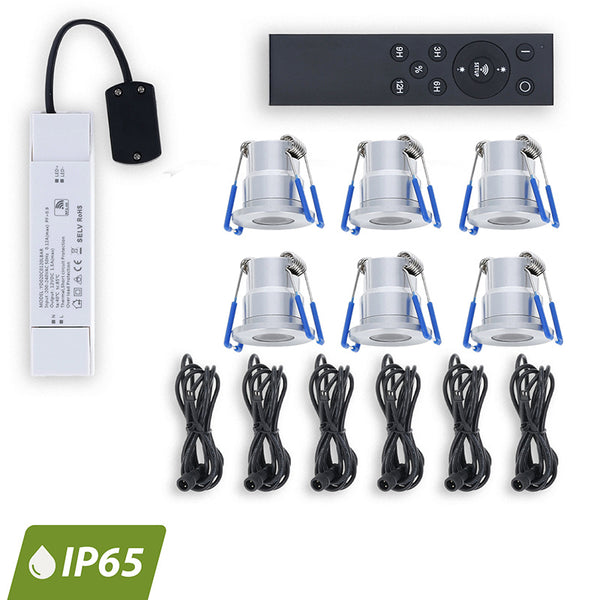 IP65In stock
LED Recessed Spotlights Dovo Set Silver | 6 Pieces | IP65 | Remote Control
€69,95
-
LED Recessed Spotlights Set Dovo Matte White | 10 Pieces | IP65 | Remote Control 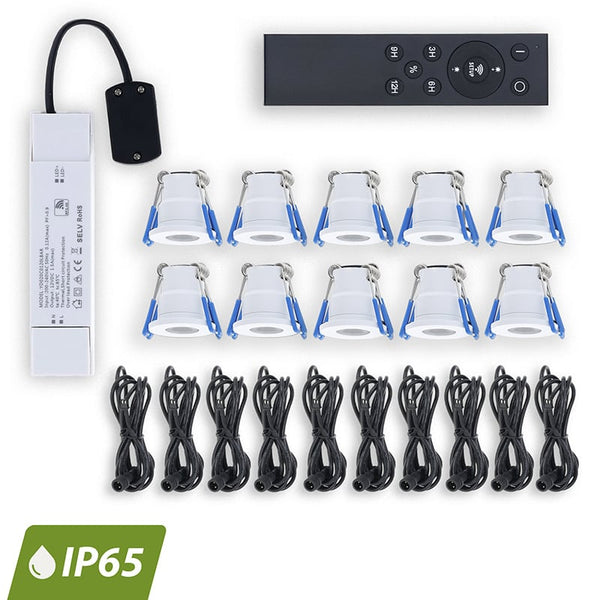 IP65In stock
LED Recessed Spotlights Set Dovo Matte White | 10 Pieces | IP65 | Remote Control
€89,95
-
LED Recessed Spotlights Set Dovo Matte Black | 10 Pieces | IP65 | Remote Control 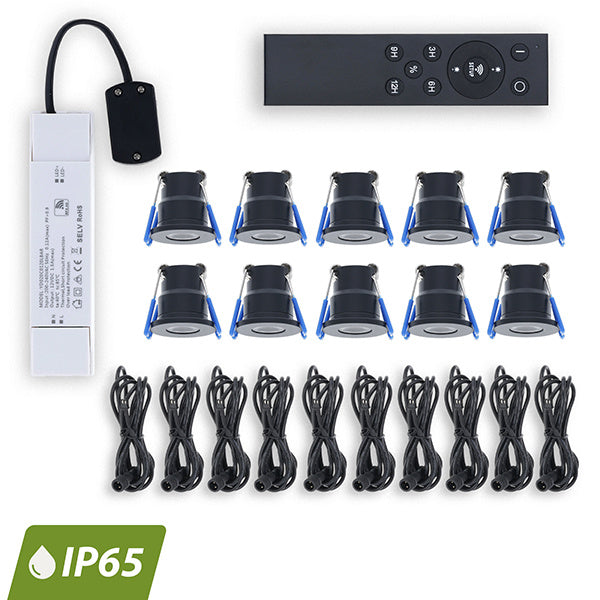 IP65In stock
LED Recessed Spotlights Set Dovo Matte Black | 10 Pieces | IP65 | Remote Control
€89,95
-
LED Recessed Spotlights Set Dovo Silver | 10 Pieces | IP65 | Remote Control 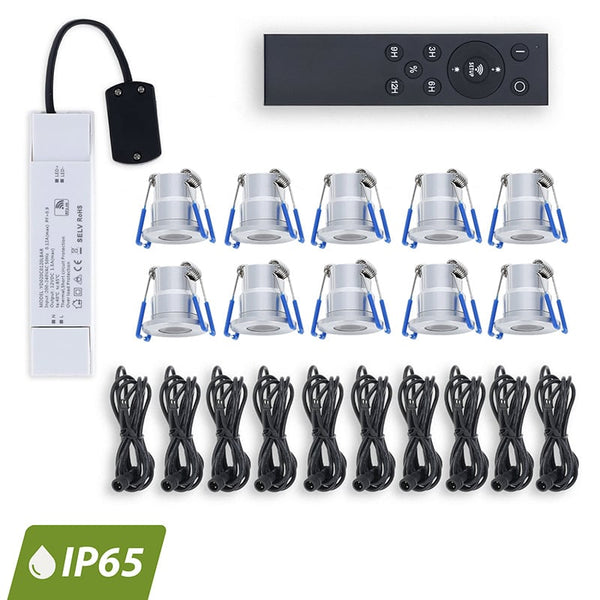 IP65In stock
LED Recessed Spotlights Set Dovo Silver | 10 Pieces | IP65 | Remote Control
€89,95


More about Recessed spotlights
A recessed spotlight depends on three measurements. The saw hole size is the hole you drill in the ceiling; with us, this ranges from under 49 mm to over 80 mm, with the emphasis around Ø68 and Ø75 mm. The recess depth determines whether it fits at all – in a suspended ceiling you usually have enough space, but if you're up against concrete or a narrow cove, millimeters count. We carry spots from 14 mm deep. Finally, the outer diameter is the visible edge and determines whether an old hole is neatly covered.
Which IP rating do you need where?
In a living room or bedroom, IP20 is sufficient. For a bathroom outside the direct splash zone, IP44 is the minimum. If you want a spot above the shower, in a laundry room, or under a canopy, choose IP65 – this is resistant to jet water. Our range includes everything from IP20 to IP65, so you can choose per room without switching series.
Fixed light color, CCT-switch or Dim2Warm
With a fixed light color, the light is set at 2700K (extra warm), 3000K (warm white) or higher. With a CCT-switch, there is a switch on the driver that allows you to change between 2700K, 3000K, and 4000K after installation – handy if you only notice after hanging that the light is too cool. Dim2Warm works differently: the more you dim, the warmer the light becomes, down to 2000K. That's the glow of an old-fashioned incandescent bulb and is best for a dining area or seating area.
Integrated LED or a GU10 fixture?
A spot with integrated LED is thinner, gives more light per watt, and has the driver supplied separately. A fixture for GU10 or MR16 does not have that light source: you screw in a bulb yourself and thus determine the light color, wattage, and whether it is dimmable. The latter is convenient if you change your mind later, or if you want to be able to replace a defective bulb without removing the entire fixture.
Dimming
Our dimmable spots work with a Triac dimmer. An old dimmer made for incandescent bulbs often has a minimum load that LED does not reach, resulting in flickering or not turning off. Read Which dimmer works with our spots before ordering, and also check out our accessories for a suitable dimmer.
Also called downlight or recessed fixture
The same spot is called a recessed spot by one supplier and a downlight, LED downlight or ceiling spot by another. In English, you'll encounter recessed spotlight and recessed downlight. It's always about the same thing: a fixture that disappears into the ceiling or wall. The term recessed fixture is usually used for a spot without a bulb in it – with us, these are the bare GU10 holders such as the Rendo, Luma, Feno, and Plano.
Frequently asked questions
How many recessed spotlights do I need per room?
As a rule of thumb, you keep about one to one and a half meters between the spots, and at least sixty centimeters from the wall. For a four by four-meter room, this comes down to nine to twelve points. In Installing recessed spotlights in a plasterboard ceiling, we calculate it step by step.
What saw hole size should I have?
If you are replacing existing spots, measure the hole that is already there. If you are in between, look at the outer diameter: it must be wider than the hole, otherwise, you will see the edge of the ceiling. Some spots have a range, for example, Ø68-78 mm, and thus fit multiple sizes.
Can a recessed spot be used in the bathroom?
Yes, provided the IP rating is correct for the zone where it is hung. Above the sink or next to the mirror, IP44 is sufficient; directly above the bath or shower, IP65 is required. Also note that with most spots, only the front has that rating – the driver is IP20 and must remain dry.
How hot does an LED recessed spotlight get?
Warm enough not to simply place insulation against the back. Keep the space above the spot clear, or use a fixture that is explicitly stated as fire-resistant or insulation-covering.