Filters
Sort Most relevant
-
LED Recessed spotlight Privo Silver | GU10/MR16 | IP65 | Ø68 mm 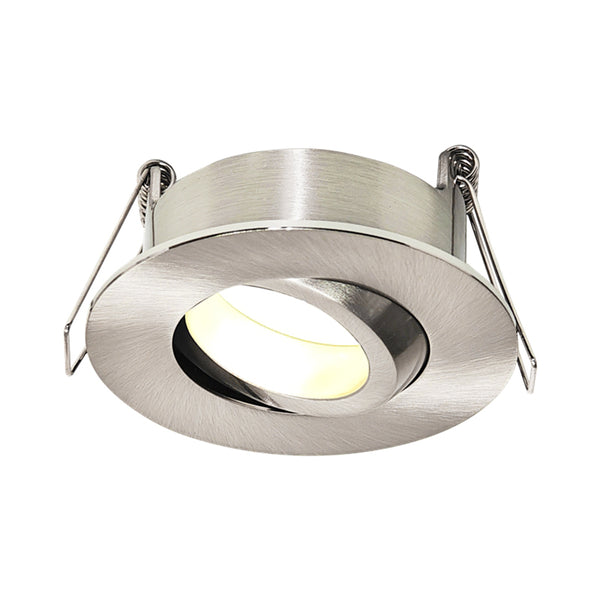 IP65DimmableIn stock
LED Recessed spotlight Privo Silver | GU10/MR16 | IP65 | Ø68 mm
€11,95
-
LED Recessed spotlight Privo Gunmetal | GU10/MR16 | IP65 | Ø68 mm 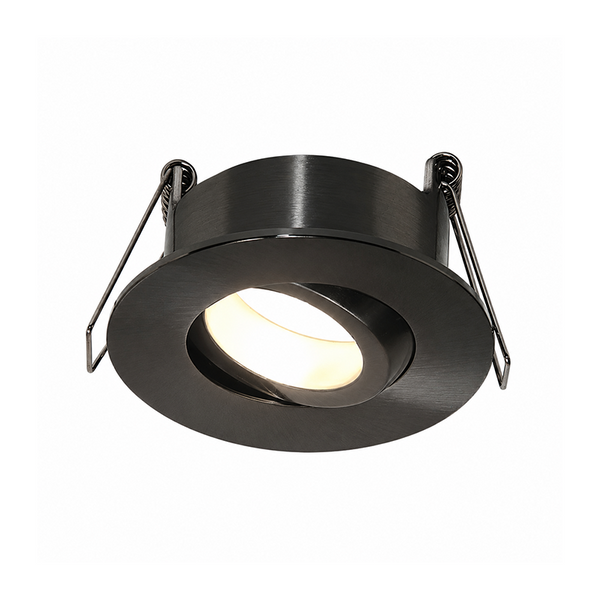 IP65DimmableIn stock
LED Recessed spotlight Privo Gunmetal | GU10/MR16 | IP65 | Ø68 mm
€11,95
-
LED Recessed spotlight Privo Brushed Gold | GU10/MR16 | IP65 | Ø68 mm 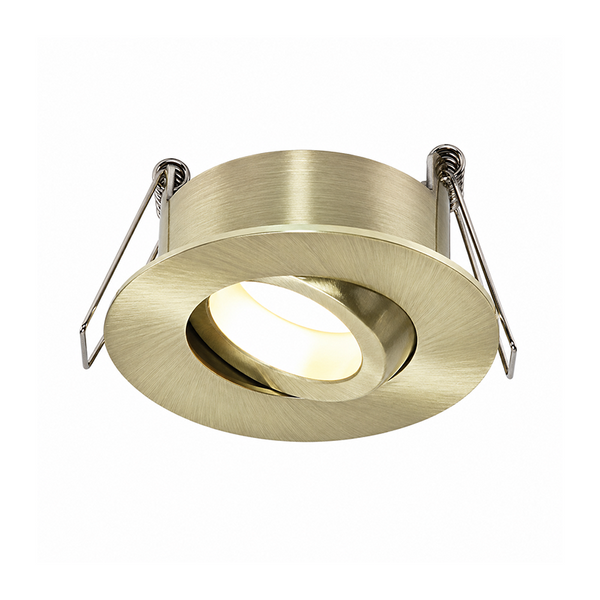 IP65DimmableIn stock
LED Recessed spotlight Privo Brushed Gold | GU10/MR16 | IP65 | Ø68 mm
€11,95
-
LED Recessed spotlight Privo Tea | GU10/MR16 | IP65 | Ø68 mm 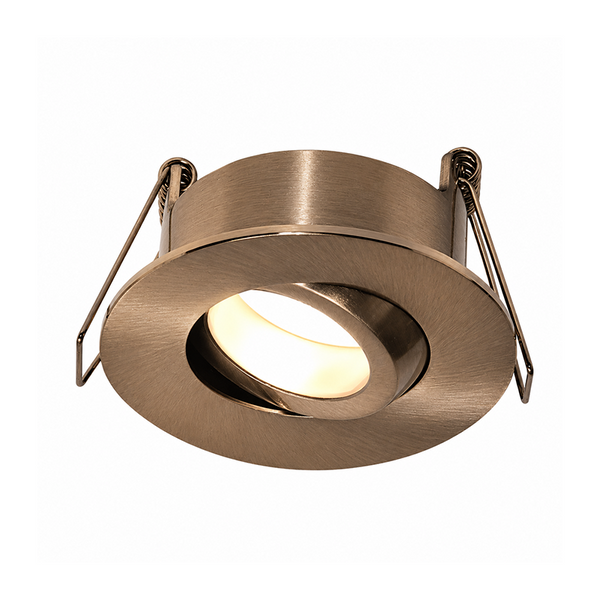 IP65DimmableIn stock
LED Recessed spotlight Privo Tea | GU10/MR16 | IP65 | Ø68 mm
€11,95
-
LED Recessed Spotlight Cardo Matte Black | 2× GU10 | Trimless | 18.5 × 9 cm 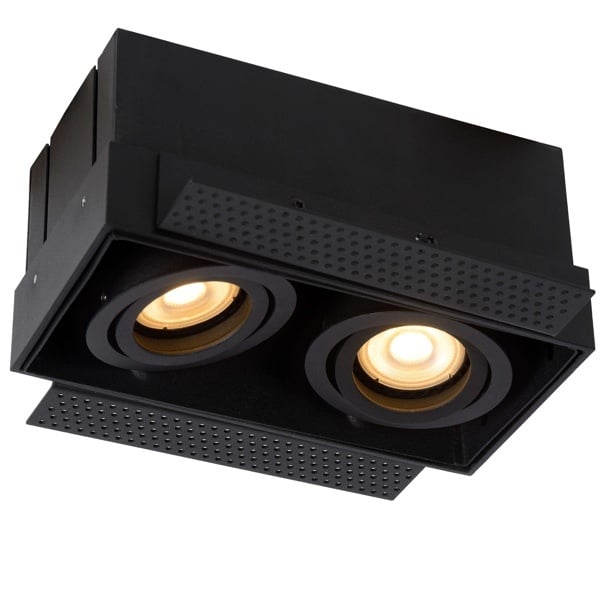 DimmableIn stock
LED Recessed Spotlight Cardo Matte Black | 2× GU10 | Trimless | 18.5 × 9 cm
€50,95
-
LED Recessed Spotlight Cardo White | 2× GU10 | Trimless | 18.5 × 9 cm 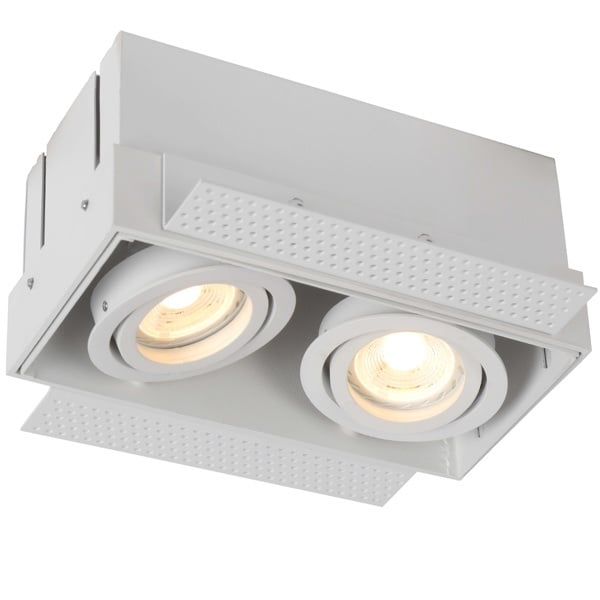 DimmableIn stock
LED Recessed Spotlight Cardo White | 2× GU10 | Trimless | 18.5 × 9 cm
€52,95
-
LED Recessed Spotlight Cardo Matte Black | 1× GU10 | Trimless | 9 × 9 cm 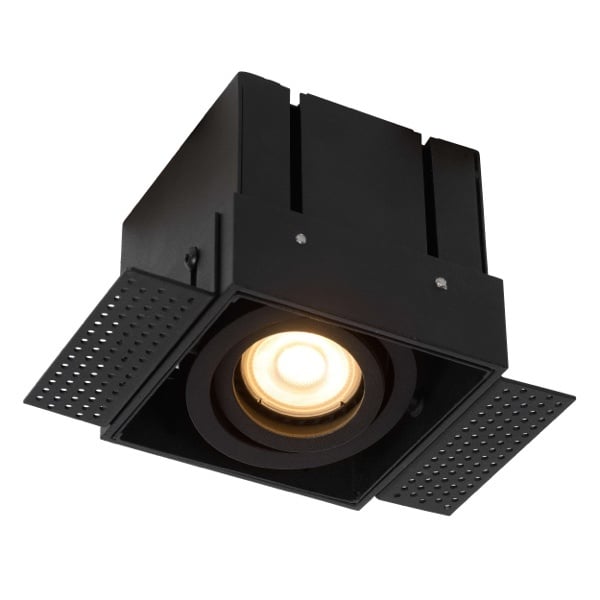 DimmableIn stock
LED Recessed Spotlight Cardo Matte Black | 1× GU10 | Trimless | 9 × 9 cm
€38,95
-
LED Recessed Spotlight Cardo White | 1× GU10 | Trimless | 9 × 9 cm 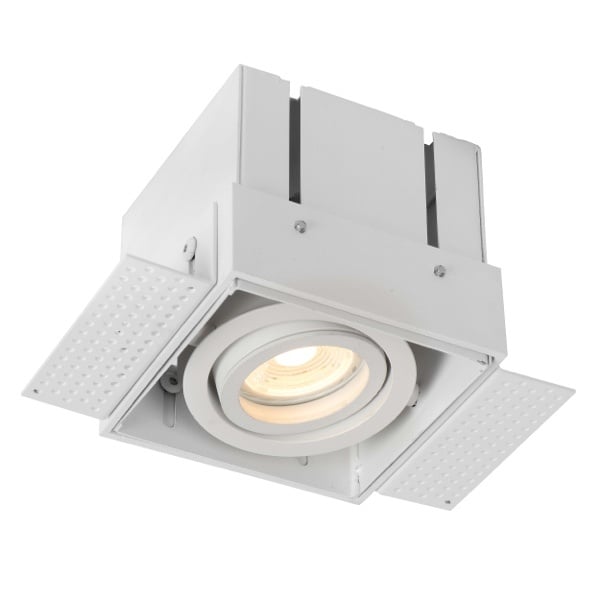 DimmableIn stock
LED Recessed Spotlight Cardo White | 1× GU10 | Trimless | 9 × 9 cm
€39,95
-
LED Recessed Spotlight Rendo Matte White | GU10 | IP20 | Ø69 mm In stock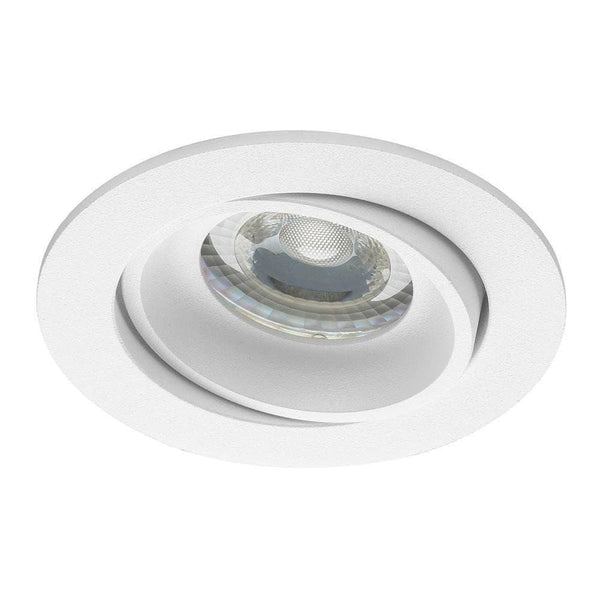
LED Recessed Spotlight Rendo Matte White | GU10 | IP20 | Ø69 mm
€10,95
-
LED Recessed Spotlight Rendo Brushed Aluminium | GU10 | IP20 | Ø69 mm In stock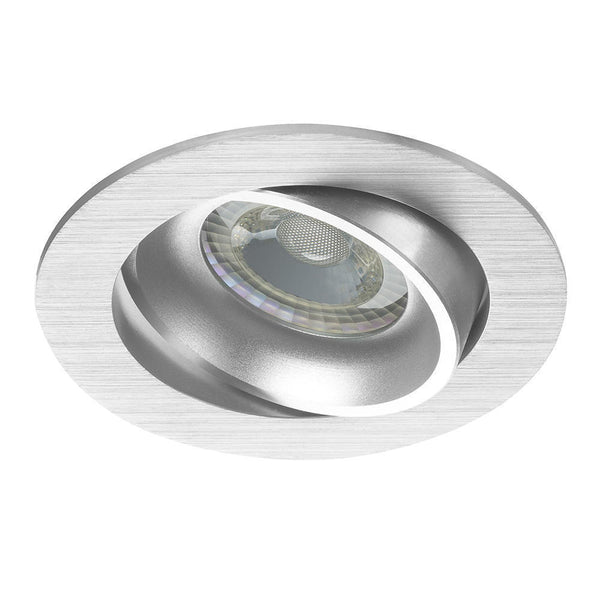
LED Recessed Spotlight Rendo Brushed Aluminium | GU10 | IP20 | Ø69 mm
€10,95
-
LED Recessed Spotlight Rendo Brushed Titanium | GU10 | IP20 | Ø69 mm In stock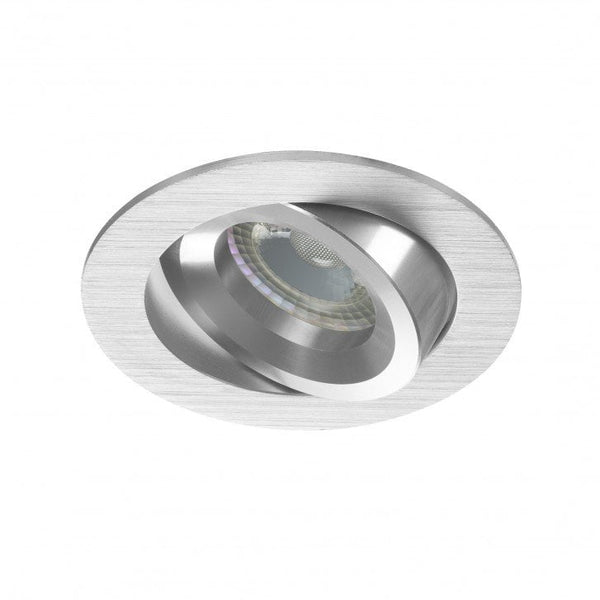
LED Recessed Spotlight Rendo Brushed Titanium | GU10 | IP20 | Ø69 mm
€12,95
-
Plaster frame for GU10 Recessed Spotlight White | Steel | Ø75-80 mm | depth 20 mm In stock
Plaster frame for GU10 Recessed Spotlight White | Steel | Ø75-80 mm | depth 20 mm
€8,95
-
Plaster frame for GU10 Recessed Spotlight Black | Steel | Ø75-80 mm | depth 20 mm In stock
Plaster frame for GU10 Recessed Spotlight Black | Steel | Ø75-80 mm | depth 20 mm
€8,95
-
LED Recessed Spotlight Privo Matte White | GU10/MR16 | IP65 | Ø68 mm 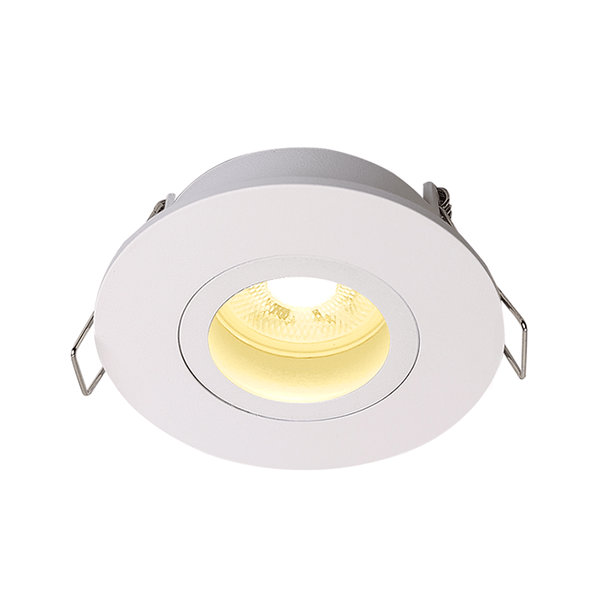 IP65DimmableIn stock
LED Recessed Spotlight Privo Matte White | GU10/MR16 | IP65 | Ø68 mm
€11,95
-
LED Recessed Spotlight Privo Matte Black | GU10/MR16 | IP65 | Ø68 mm 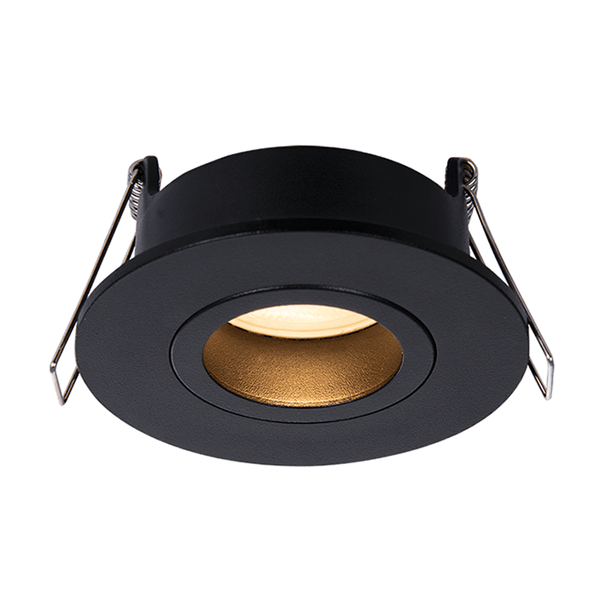 IP65DimmableIn stock
LED Recessed Spotlight Privo Matte Black | GU10/MR16 | IP65 | Ø68 mm
€11,95
-
LED Recessed Spotlight Plano Matte White | GU10/MR16 | IP22 | Ø80 mm 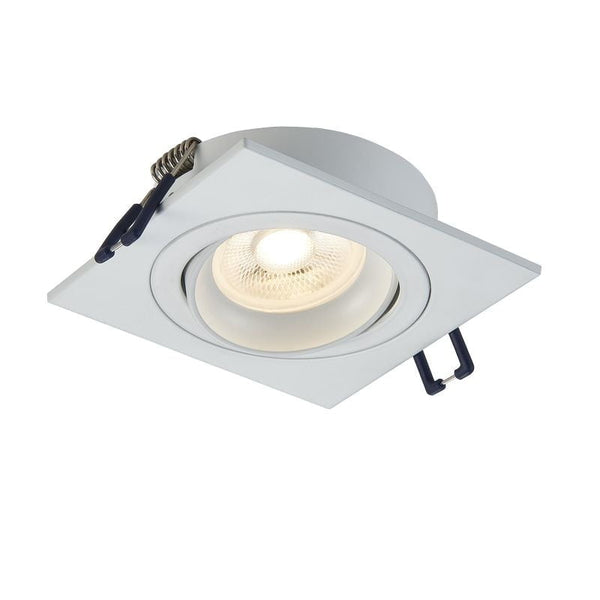 DimmableIn stock
LED Recessed Spotlight Plano Matte White | GU10/MR16 | IP22 | Ø80 mm
€9,95
-
LED Recessed Spotlight Plano Matte Black | GU10/MR16 | IP22 | Ø80 mm 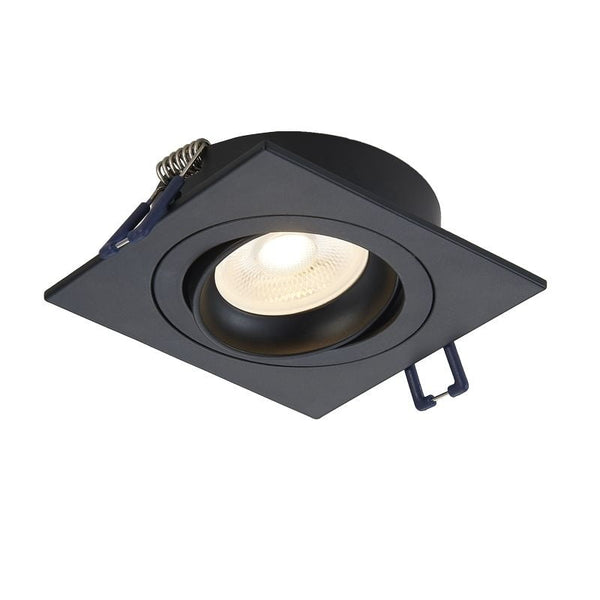 DimmableIn stock
LED Recessed Spotlight Plano Matte Black | GU10/MR16 | IP22 | Ø80 mm
€9,95
-
LED Recessed Spotlight Plano Aluminium | GU10/MR16 | IP22 | Ø80 mm 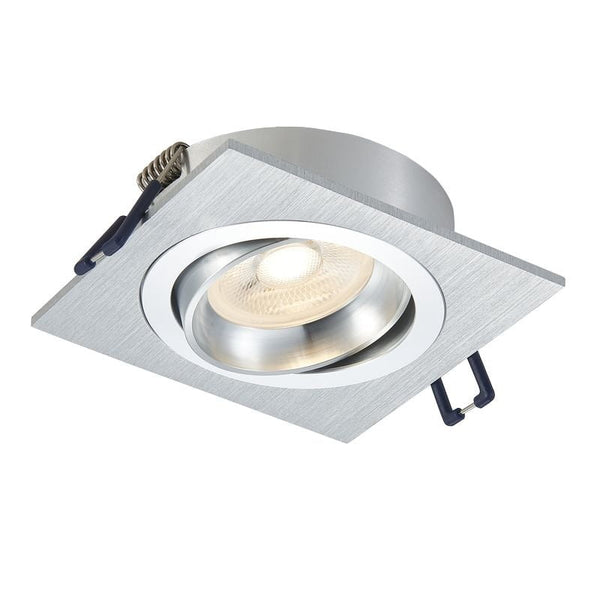 DimmableIn stock
LED Recessed Spotlight Plano Aluminium | GU10/MR16 | IP22 | Ø80 mm
€9,95
-
LED Recessed Spotlight Luma Matte White | GU10/MR16 | IP22 | Ø72 mm 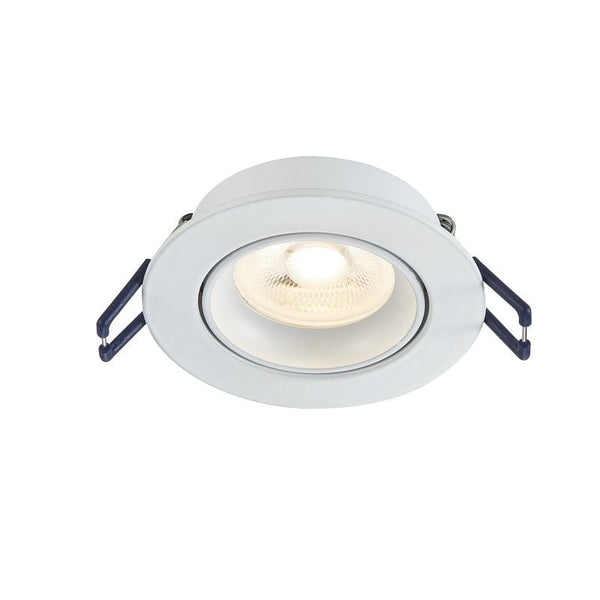 DimmableIn stock
LED Recessed Spotlight Luma Matte White | GU10/MR16 | IP22 | Ø72 mm
€12,95
-
LED Recessed Spotlight Luma Matte Black | GU10/MR16 | IP22 | Ø72 mm 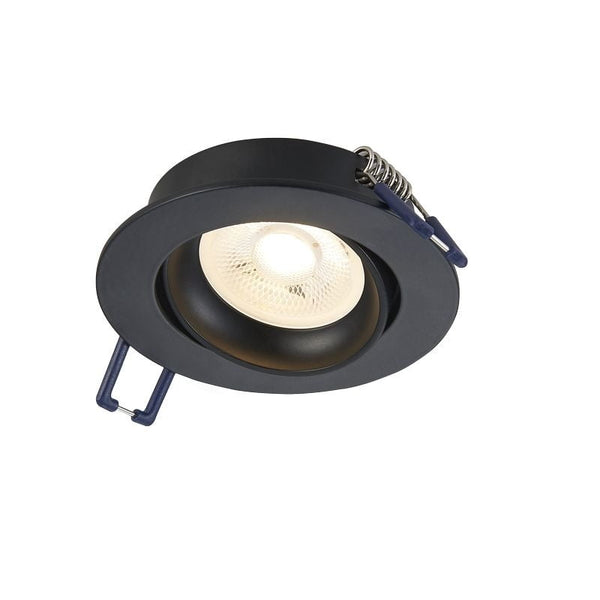 DimmableIn stock
LED Recessed Spotlight Luma Matte Black | GU10/MR16 | IP22 | Ø72 mm
€12,95
-
LED Recessed Spotlight Luma Stainless steel | GU10/MR16 | IP22 | Ø72 mm 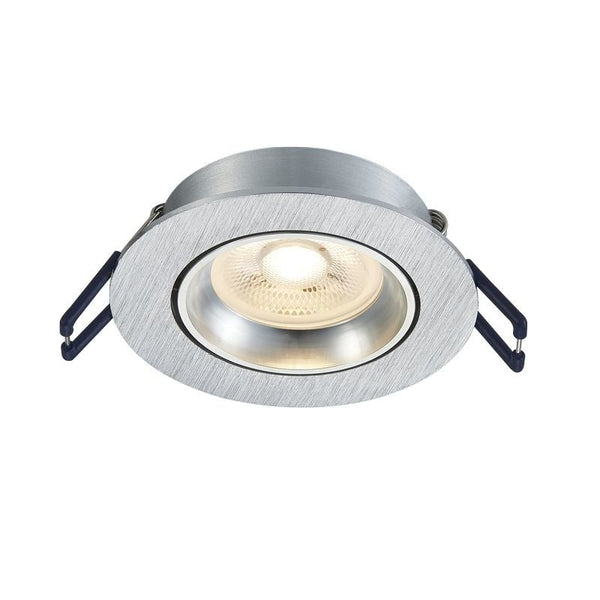 DimmableIn stock
LED Recessed Spotlight Luma Stainless steel | GU10/MR16 | IP22 | Ø72 mm
€12,95
-
LED Recessed Spotlight Feno Matte White | GU10/MR16 | IP22 | Ø80 mm 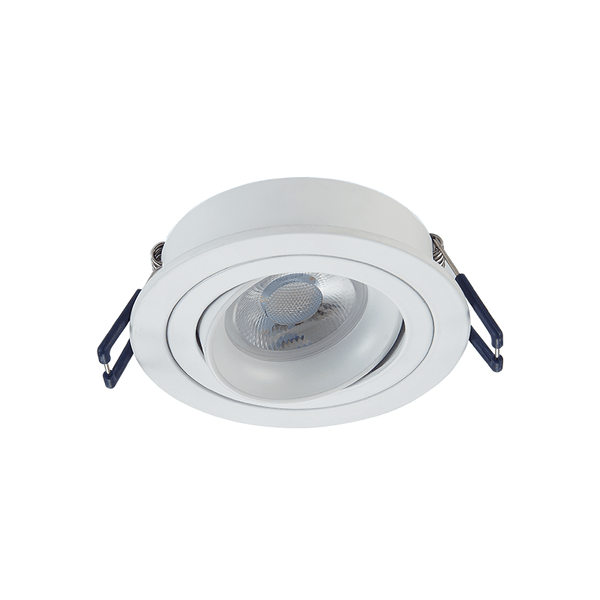 DimmableIn stock
LED Recessed Spotlight Feno Matte White | GU10/MR16 | IP22 | Ø80 mm
€10,95
-
LED Recessed Spotlight Feno Matte Black | GU10/MR16 | IP22 | Ø80 mm 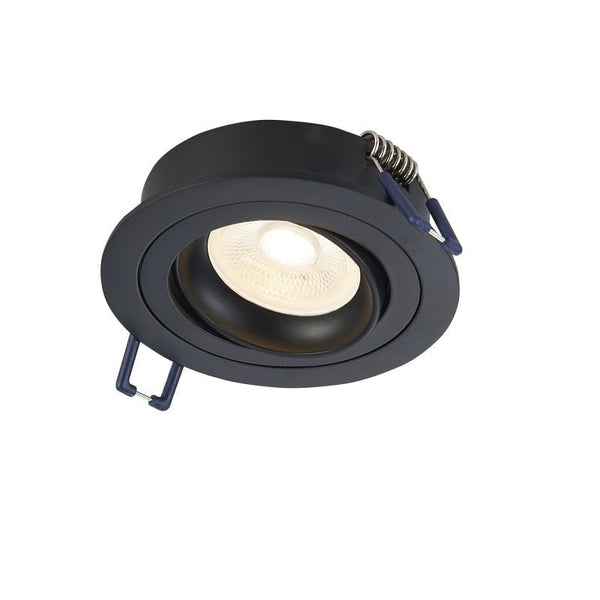 DimmableIn stock
LED Recessed Spotlight Feno Matte Black | GU10/MR16 | IP22 | Ø80 mm
€10,95
-
LED Recessed Spotlight Feno Aluminium | GU10/MR16 | IP22 | Ø80 mm 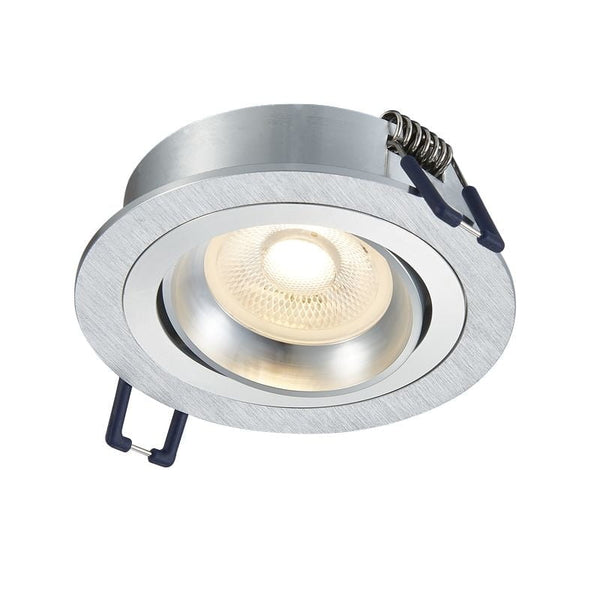 DimmableIn stock
LED Recessed Spotlight Feno Aluminium | GU10/MR16 | IP22 | Ø80 mm
€10,95
-
LED Recessed Spotlight Vero Matt White | GU10 | Deep | Tilting -
LED Recessed Spotlight Tavo Matt Black | GU10 | IP44 | Ø71 mm


More about GU10 recessed spotlights
With a GU10 fixture, you buy the holder, not the bulb. You screw in a light source yourself, thereby determining the wattage, light colour, and whether it's dimmable. If you want warmer light later, you simply swap the bulb and leave the fixture in place. The light source is not included with these fixtures — you need to purchase that separately.
They build deeper than a spot with integrated LED
A GU10 bulb is a solid block of about five centimeters, and the holder needs to fit around it. Most fixtures here therefore require an recess depth of 38 to 39 mm, compared to 25 to 30 mm for a spot with integrated LED. If you have limited space above the ceiling, consider the Rendo: it works with 23 mm because the holder protrudes behind the ceiling.
GU10 or MR16?
Different fixtures fit both. The difference lies in the voltage: GU10 works directly on 230V and has two thick pins with a twist lock. MR16 works on 12V and has two thin pins, which means it requires a transformer. For a standard ceiling connection, GU10 is the simplest choice.
Trimless: flush with the ceiling
The Cardo and Trimo have no visible edge. You plaster them in, leaving only the opening in the ceiling. This requires more preparation and a precisely cut opening, but the result is a ceiling without rings. This version is only available with GU10.
Pay attention to the colour rendering of your bulb
Because you choose the light source, you also determine the CRI. Cheap GU10s from hardware stores are usually around Ra 80; below that, wood, skin, and food will look dull. Above a dining table or in a kitchen, Ra 90 or higher is noticeably better.
Frequently asked questions
Is the bulb included?
No. These fixtures are supplied without a light source. This is also stated per product in the specifications under Fitting.
Can I dim a GU10 fixture?
Only if the bulb you screw in is dimmable itself. A non-dimmable LED bulb on a dimmer will flicker or fail quickly.
What is the difference with a spot with integrated LED?
With integrated, the LED is fixed in the fixture and the driver is separate. These spots are thinner and generally have better colour rendering, but if something breaks, you replace the entire fixture. With GU10, you simply screw in a new bulb.
What wattage should I choose?
For general ceiling lighting, a GU10 of 4 to 6 watts with about 400 lumens works fine. Count on 100 to 150 lumens per square meter in a living room and 250 to 300 in a kitchen.